Dataoil FAQ: 129 Questions, Conclusion First
Conclusion first: this page collects 129 high-frequency owner questions in seven groups — Oil Buying / Additive Use / Quality & Authenticity / Shipping & After-Sales / Diesel & Motorcycle / Older-Car Care / Vehicle Fluids (AdBlue · Coolant · Washer). Every answer gives the conclusion before the reasoning. If your question isn't here, just call 13810803061.
Question numbers are for reference; answers are based on the products currently on sale and the brand's unified wording. Specific product parameters follow the Product Center page.
Oil Buying (12 Questions)
1. The handbook says 5W-30 — can I switch to 5W-40?
Conclusion: if the car is healthy, follow the handbook's viscosity. Move up one grade to 5W-40 only for older cars, visible oil consumption, or frequent long high-load runs. The OEM-specified viscosity is a validated balance point between wear protection, fuel economy and emissions — a higher number isn't automatically stronger protection. A 5W-40 film is thicker and tougher for older engines running hot under load, but on some direct-injection turbo engines an overly thick oil slows oil-pump response at low speed and low load, with slightly higher fuel use. Rule of thumb: under 80,000 km in good condition, use the 30 grade per the handbook; past 100,000 km, or with oil consumption or frequent heavy hauling, stepping to 40 is the common choice. One more point: the number before the "W" is the cold-weather rating — in northern winters the cold-start difference between 0W and 5W is no small thing, and we'd advise against dropping the cold grade. If you're unsure, send us your model, year and mileage (13810803061) and we'll help you judge.
2. How do I choose between 0W-20 and 0W-30?
Conclusion: choose per the handbook; where it doesn't specify, new fuel-economy-focused cars take 0W-20, while cars with more high-load duty or greater age take 0W-30. The core difference between the two grades is the 100 °C high-temperature viscosity: 0W-20 is thinner — better fuel economy, faster oil circulation — and is the mainstream recommendation for current Japanese and Korean new cars; 0W-30 builds a thicker film with more solid protection under high load, suiting European models, turbo direct-injection engines and high-mileage cars. Rule of thumb: under 80,000 km with mainly city commuting, 0W-20 is enough; frequent long highway runs, mountain roads or greater vehicle age — 0W-30 is steadier. Reminder: don't keep switching between the two grades on the same car — if you do switch, do it once at the next oil change. Dataoil carries full synthetic in both grades; once the viscosity is confirmed, order from the official direct stores on Tmall / JD / Douyin / Pinduoduo. One more rule of thumb: different trims of the same model year (high/low power versions) can carry different handbook recommendations — your own car's handbook wins.
3. Is full synthetic an "IQ tax"? Can I keep using semi-synthetic?
Conclusion: no. For a healthy car doing over 10,000 km a year, moving from semi to full synthetic is usually a worthwhile upgrade; but whether to switch depends on condition and budget — not "the pricier, the better". Semi-synthetic (synthetic blend) base oils sit between mineral and full synthetic in both performance and price, fitting older, low-mileage cars that get frequent oil changes (every 5,000 km). The core advantages of full synthetic: a more stable film at high temperature, slower oxidation aging, a longer service interval (generally 10,000 km or one year, per the handbook), and better cold-start protection. If the handbook already requires synthetic oil, or you drive 15,000+ km a year, full synthetic is worth it; if the car is an older model, does mostly short city trips and gets oil changed every 5,000 km, semi-synthetic is entirely adequate. Dataoil's line covers multiple full-synthetic and ester series — just pick the grade for your duty profile.
4. What's the difference between GTL ester base oil and PAO? Is it worth paying more?
Conclusion: the difference is the base-oil route — GTL ester is made from natural gas via Fischer-Tropsch synthesis, then esterified; the molecules are polar with strong film adhesion. PAO is the mainstream petroleum-route synthetic base oil: balanced performance, lower price. Whether the extra cost is worth it depends on your duty: for high load, high RPM and long change intervals, the GTL ester advantages (film adhesion, oxidation resistance) are genuinely felt; for daily commuting at 10,000 km changes, the gap is small and the money saved is real. Dataoil's 9000 series is the representative of the GTL ester route; pricing follows the live store prices. A plain analogy: PAO is a reliable shield, GTL ester is a shield with an extended warranty — whether to buy the warranty depends on how much that car matters to you. Detailed base-oil comparison: see the product comparison page. One more reminder: base oil is only the foundation — the additive formula and blending process are equally critical, so judge both lines together when buying, not a single metric alone.
5. What is the oil-change interval for the 9000 series?
Conclusion: follow the vehicle handbook — full synthetic oils are generally changed every 10,000 km or one year (whichever comes first). Because the 9000 series' GTL ester base oil has good oxidation stability, under normal conditions it can be used at the handbook's upper-limit interval. Note: "can hold up" doesn't mean "the later the better". Change earlier when: city short-trip stop-go dominates (moisture and fuel dilution get into the oil), dusty environments, visible oil consumption, or the oil's color and odor have clearly degraded. Also, service intervals come in "normal" and "severe" tiers — cars doing gravel roads, continuous high load or frequent short trips should follow the handbook's severe-duty interval. The 9000 series formula has been validated on multi-condition road testing, but your own vehicle's handbook is still the baseline and this answer is for reference; if you have questions about oil condition, contact customer service with your purchase record for a batch-by-batch check. At oil changes, take a look inside the oil cap for emulsion and at the dipstick color — darkening and thinning are early signals of state change.
6. My older car burns a bit of oil — what viscosity fits?
Conclusion: find the cause first, then talk viscosity. Burning oil isn't the same as "the oil is too thin" — if it's burning noticeably (over 500 ml per 1,000 km, visible blue smoke from the exhaust), get the piston rings and valve seals checked first; switching to a thicker oil only relieves the symptom, it isn't a cure. When condition checks come back clean and consumption is only mild, older cars usually move up one grade: 5W-40 is the common choice, 0W-40 for cold northern regions. Why: internal clearances in older engines have grown, so a slightly thicker film reduces oil seepage and consumption, and the thicker film is also kinder to sealing and noise in older blocks — more reassuring under summer high load. After moving up a grade, watch oil pressure, fuel use and noise for the first 500 km; anything abnormal (oil-pressure warning, clearly higher fuel use) — report it to 13810803061. If the car also has sludge, clean it on the maintenance cycle first, then move to the thicker grade — the result is better.
7. Turbo vs naturally aspirated — is oil selection different?
Conclusion: the core difference isn't "turbo / aspirated" itself, but whether the engine is direct-injection and what its load level is. Most current turbocharged models are direct-injection: combustion runs hotter, in-cylinder carbon forms more readily, and the demands on oxidation stability and cleaning/dispersancy are stricter — full synthetic is effectively standard equipment. Aspirated engines have relatively milder requirements: full synthetic or synthetic blend is enough (per the handbook). Practical advice: first read the handbook's recommended viscosity and specification, then match the duty — turbos doing frequent long highway runs or cars over 80,000 km suit the 9000 series or similar long-life ester / high-quality full synthetic; aspirated commuter cars take a standard full synthetic at the handbook viscosity. How to pick the viscosity itself: see the methods in this group's earlier questions (Q1 / Q2 / Q8). One easily missed point: the handbook usually also states a specification certification requirement (e.g. an API grade) — only when viscosity and spec both match is the selection truly right.
8. Is 0W-20 too thin and will it hurt the engine?
Conclusion: no. 0W-20 was designed for the new generation of precision engines — new engines have high machining precision and small clearances, and that's exactly what they need: this kind of low-viscosity oil. The "thin oil hurts the engine" impression comes from the older generation: old engines have large clearances, so thin oil actually breaks the film more easily and is consumed faster — which is why older cars don't suit 0W-20; but that has nothing to do with new cars. 0W-20's advantages in new engines: faster oil circulation on cold start, lower fuel consumption at low speed and low load — especially friendly to frequent stop-start city commuting. So the judgment standard is simple: the handbook says 0W-20 → use it with confidence, it was designed for this car; the handbook doesn't say so and the car is old → pick a 30/40 grade by the older-car method. Dataoil's 0W-20 is full synthetic; parameters on the Product Center page. In reverse: if an older car has mistakenly been running 0W-20, the typical signs are faster consumption and louder high-load noise — once spotted, correct the grade at the next oil change; no emergency action needed.
9. I can't find the oil spec in my handbook — what now?
Conclusion: work in three steps — "official standard → same-generation reference → real-car verification". First find the OEM standard: the maintenance handbook, the vehicle's service booklet or the brand's official site — the front page of the handbook usually lists the recommended viscosity. Then a "same generation, same engine" reference: what viscosity have the 4S shops for the same brand and same engine always put in? That's basically the answer — one question beats a day of guessing. Finally, real-car verification: after changing to the chosen viscosity, watch 1,000 km — oil-pressure warning, abnormal consumption, noise change; any one of them means revert to the original grade. If the handbook gives only a viscosity range, choose within it by condition: new car takes the low end, old car the high end. If you still can't judge, call 13810803061 and tell us model, year and engine displacement — we'll verify it against user-community experience. One more reminder: the various "oil-by-car" charts floating around online are inconsistent with each other — use them only as reference; the final word is your own car's service handbook or the maker's official customer service.
10. 9000 series, Ester Youth or Endurance Classic — how do I actually choose?
Conclusion: the one-line version — the 9000 series is the flagship (GTL ester base oil, for high-load, long-interval cars); Ester Youth is the entry-level ester (for new cars / younger owners who want to try ester on a limited budget); Endurance Classic is the family daily driver (balanced interval and economy). Expanded: for high-load protection and a longer change interval, take the 9000 series; for ester character with budget control, take Youth; mainly city commuting, on-schedule changes, value-first — Endurance Classic is enough. But three prerequisites matter more than the series choice: first confirm the handbook's viscosity grade, then the API specification, only then pick within the series. Series viscosities, API grades and base oil types: see the Product Center spec tables (some parameters to be completed after e-commerce detail pages are confirmed). If you're unsure which duty profile your car falls into, report model, year and typical roads to customer service — a recommendation based on real usage is far more accurate than guessing from series names.
11. Can the 10W-40 motorcycle oil be used on a scooter?
Conclusion: yes. Dataoil's 10W-40 motorcycle oil targets 4-stroke engines — scooters and commuter bikes are covered. 10W-40 is a common 4-stroke viscosity grade: the cold-start fluidity is adequate, and the 40 high-temperature film handles daily commuting and the occasional highway run. Two reminders for scooters: first, scooter engines run at high RPM for long periods with small cooling spaces, so the change interval must be strict (many models suggest 2,000–3,000 km, per the handbook) — don't drag it out on car intervals. Second, never substitute car oil: car oils typically carry friction-modifying components formulated for car engines, and on scooters with wet clutches that causes clutch slip — you must use 4-stroke motorcycle oil specifically. Not suitable for 2-stroke engines; tell the difference. At the change, measure the oil level by the way — scooters use little oil, so consumption is more noticeable, and running short is more directly damaging to the engine than on a car; don't skip this step.
12. Can I mix Dataoil oil with other brands?
Conclusion: mixing in an emergency is fine; long-term mixing isn't recommended. Different brands have different additive packages; mixed together, each component's concentration gets diluted and the real effect can fall below either one's design value; in extreme cases two incompatible formulas can even accelerate sludge formation (most of the time it's fine, but the effect is always discounted). Three recommendations: 1) an emergency top-up is fine — a small amount mixed in has limited impact on the whole, no need to drain and start over; 2) at the next change, drain it clean and settle on one brand, one grade; 3) once you've confirmed the right grade, stick with it — don't hop brands frequently. Also, when switching brands, don't fuss over "draining the old oil completely" from the engine — just add the new oil and run them together, changing normally at the due date. The full Dataoil line is sold direct on Tmall / JD / Douyin / Pinduoduo; once the viscosity is confirmed, buying enough for a full cycle at once is simpler. A clarification of scope: "mixing" here means finished oils from different brands; even within one brand, don't casually swap viscosity grades — the logic for grade changes is in Q1 and Q2.
Additive Use (10 Questions)
13. Do fuel additives (fuel treatment) actually work?
Conclusion: they work, but they're not a miracle drug — don't expect one bottle to transform the car. Fuel treatment whose main ingredient is PEA (polyetheramine) does clean carbon in the fuel system (injectors, intake valves on direct-injection engines, etc.), and long regular use helps idle stability and the recovery of power response. The boundary of the effect has to be stated clearly: it's effective on newly formed, light deposits; against already-hardened heavy carbon (visible power loss, persistent rough idle, out-of-spec exhaust), a few bottles of treatment have limited effect — that needs a professional shop inspection and cleaning. Usage advice: on direct-injection engines (the current mainstream), regular use is more valuable than "rescue" use — follow the concentration and cycle marked on the product (suggested ratio on the product page). The main ingredient of Dataoil No.1 Fuel Treatment is exactly PEA polyetheramine — use it per the instructions. Keep normal driving habits while using it: what treatment improves is "slowly getting better", not one-bottle results — run a full use cycle before judging.
14. What is the main ingredient of No.1 Fuel Treatment? What is PEA?
Conclusion: the main ingredient of Dataoil No.1 Fuel Treatment is PEA (polyetheramine), the widely recognized workhorse cleaning ingredient in the international fuel-additive field. Why PEA rather than other cleaning ingredients: first, PEA has good thermal stability — it travels with the fuel and only acts in the high-temperature zone of the combustion chamber, which is exactly where direct-injection carbon forms (intake valves and combustion chamber); many ordinary cleaning ingredients are consumed before they get there. Second, after PEA does its cleaning, it has no obvious negative impact on the subsequently used oil or the catalytic converter — suitable for long-term use. To be clear: PEA is strongest at prevention and light-to-moderate cleaning; for large areas of long-hardened old carbon, mechanical cleaning is the right answer. The PEA content and usage ratio of No.1 Fuel Treatment follow the product page parameters (some parameters to be completed after e-commerce detail pages are confirmed). A simple buying standard: a product that clearly states its main ingredient and concentration is more trustworthy than a pile of incomprehensible "complex formulas".
15. How much do I add each time? When do I add it?
Conclusion: add it before fueling — one bottle per tank (between half a tank and full); the specific ratio follows the product marking (suggested ratio per the product page). Standard procedure: fill the tank about halfway (say 20–30 liters), pour the whole bottle of treatment in, then fill the rest with fuel so the treatment mixes thoroughly with the fresh fuel. Why "half first": the treatment is diluted by the incoming fuel immediately, the concentration stays even across the tank, and the cleaning effect is consistent; pour it in when the tank is nearly full and local concentrations run too high. Frequency: regular maintenance suggests once every 5,000–10,000 km; on a direct-injection car that has never used any additive and carries more carbon, you can run 2–3 consecutive tanks as a concentrated cleaning, then return to regular use. Reminder: don't over-dose or stack — concentration isn't "the higher the better"; follow the label. If you happen to have used two bottles at once (e.g. one each in two tanks), that's effectively an early concentrated clean — just stretch the following interval and return to the regular rhythm.
16. Will fuel treatment damage the oxygen sensor?
Conclusion: used at the labeled ratio, no. This worry usually comes from two scenarios: over-dosing, or using low-quality products with unknown ingredients. A normal-formulation PEA fuel treatment is not corrosive to the oxygen sensor at ordinary use concentrations; long-term use is fine. What actually damages oxygen sensors is another set of things: long-term oil burning (combustion byproducts coating the sensor), chronically unstable combustion from heavy fuel-system carbon, and unformulated cheap additives. Three practical recommendations: 1) choose a product with a clearly stated main ingredient and labeled concentration; 2) use it strictly at the labeled ratio — don't add extra yourself; 3) if the engine fault light is on (emissions-system alarm), go read the fault code first — don't suspect the fuel treatment first, and certainly don't try to "cure" a fault light by dosing more treatment. Dataoil No.1 Fuel Treatment has clearly labeled ingredients and ratios — use it per the instructions. In passing: fuel treatment doesn't conflict with regular maintenance items such as oil and air filters — keep running the normal maintenance cycle, no need to adjust other servicing because of the treatment.
17. Fuel treatment vs fuel-system cleaner — which one?
Conclusion: the two face different scenarios — No.1 Fuel Treatment (PEA) is "daily cleaning + carbon prevention", for long-term regular use; the fuel-system cleaner is the "deep clean" product, for concentrated treatment when the car has long gone unserviced and shows rough idle or hesitation on acceleration. How to combine them: healthy car, wants daily maintenance → just use No.1 on the cycle. The car already shows clear rough idle, sluggish acceleration, or has never used any additive in a long time → first run the fuel-system cleaner for 2–3 consecutive tanks as a concentrated clean, then switch to No.1 for regular maintenance. Two reminders: don't stack them at the same time (stacking the two concentrations isn't necessarily better and adds load to the fuel system); each one's specific method and ratio follow its own product page. If shake and hesitation don't improve after a deep clean, the problem isn't carbon — go to a shop and read fault codes. The first week after a concentrated clean is when the difference in idle and acceleration is most noticeable — note it down casually; that gives you a basis for judging whether to keep treating.
18. My car idles rough — will fuel treatment help?
Conclusion: first judge the cause of the shake — fuel treatment solves only one of the causes: carbon. If the rough idle is caused by injector or intake-valve carbon (common signature: noticeably rough cold, better once warm, accompanied by sluggish acceleration), treatment is useful — you can observe over 2–3 consecutive tanks. If the shake comes from misfire, vacuum leaks, a dirty air filter or an aging ignition system, fuel treatment can't help — it takes an inspection. Judgment method: if the shake persists, the engine fault light is on, or the body visibly bounces at idle — stop guessing and read fault codes at a shop; that's the cheapest diagnosis path. "Riding it out" with fuel treatment costs more in time. You can try one cleaning cycle of Dataoil No.1 Fuel Treatment per the instructions while booking a basic inspection — the two lines run in parallel without conflict. One detail that helps judgment: if the shake only appears cold and disappears once warm, both carbon and aging ignition parts are common causes — running one treatment cycle alongside an ignition-parts check is the most efficient way to isolate it.
19. My diesel gelled in winter — what do I do? How do I use anti-gel?
Conclusion: stop fueling the heavy diesel first, and use an anti-gel additive to lower the gel point of the diesel in the tank. Dataoil's diesel anti-gel line exists for exactly this. Usage: add it to the tank at the product's labeled ratio (while fueling or before fueling, both work), then start and warm the engine or move the vehicle to a warm environment so the fuel circulates — once the anti-gel is working, start normally. Prevention matters far more than rescue: in northern winters, buy the diesel grade matching your local minimum temperature (e.g. if the local low is −10 °C, use −10# or a lower grade, as locally supplied); never run the tank nearly dry (the longer diesel sits in the tank, the older it gets and the more prone it is to gel); before long trips, check the tank's water separator. If it has already gelled badly and won't start after repeated cranking, call a tow or a repair shop for a warm start — don't keep cranking hard, it damages the engine and battery. One practical tip for truck owners: before winter, fill the tank up near-full to reduce air and moisture content inside — far less trouble than treating it after it gels, and it saves a tow bill too.
20. How do oil additives like Oil Refiner and anti-wear agents work? When do I add them?
Conclusion: oil-based additives always go in together with the oil change — add them at the same time as the new oil, proportioned to total oil volume. Never add them to old oil that's about to be discarded. Standard order: drain the old oil, change the filter, pour in the new oil plus the additive (at the labeled amount, based on total oil capacity), screw the fill cap on tight, start and run 3–5 minutes so the additive mixes fully, shut down and check the oil level. Three cautions: 1) the dose is calculated from total oil capacity — more is not better; over-dosing disturbs the base-oil formula balance; 2) the value shows up at the start of a new oil cycle — adding it to old oil is like diluting it to nothing; 3) Oil Refiner (cleaning maintenance), moly-tungsten anti-wear agent (anti-wear) and engine noise reducer (noise) do different jobs — choose one direction by condition, don't stack all three. Each product's dosage follows its product page. After adding the additive and warming up, the engine's sound may be slightly different from before for the first few dozen kilometers — that's within normal settling range; if it's still clearly abnormal after more than a week, contact customer service for a check.
21. What is the engine noise reducer? Does it really work?
Conclusion: it's a type of oil additive — its principle is to assist lower engine running noise by improving the quality of the lubricating film and cushioning metal friction. It mainly targets older cars: as the car ages, parts wear more and running noise is greater than a new car's, and the noise reducer has an assisting effect on this "normal aging noise". The boundary of the effect has to be stated honestly: if the noise comes from a mechanical fault (timing-chain slack, bearing abnormality, aged engine mounts), no additive can cure it — service it if it needs servicing. If it's just normal aging noise on an older car, use it per the instructions for one oil-change cycle and then evaluate the effect — don't expect "instant silence". Usage: at the oil change, add it to the new oil at the labeled ratio (dosage per the product page). Dataoil's wording is "assists in reducing" — we do not promise a specific decibel reduction; any product that promises "guaranteed silence" is the one you should be wary of. If what you hear is a "new noise" you've never heard before (metal knocking, grinding), service it first — don't drag it out with additives.
22. Can I use fuel treatment and Oil Refiner together?
Conclusion: yes — but they work in different systems and don't actually need to "coordinate"; each does its own job. Fuel treatment goes into the tank and works in the fuel system (injectors, combustion chamber, intake valves); Oil Refiner goes into the oil and works in the lubrication system (oil passages, sludge cleaning). The two don't interfere with each other, and it's fine to do them at the same time — one goes in the tank, one in the oil, no conflict. A more efficient way to think about it: prioritize by the car's pain point. Rough idle and sluggish acceleration → fuel treatment first. Loud older car with a lot of sludge → Oil Refiner first. On a limited budget, do the most painful one now and schedule the other for the next maintenance cycle. Two reminders: use each at its labeled ratio / amount — don't stack extra; and don't use fuel treatment together with the fuel-system cleaner (those two are products of the same system). Specific parameters follow each product page. A suggestion: note down when you used each and how the car's condition changed (fuel use, noise, idle state) — next time you evaluate the effect and decide how to use it in the next cycle, you'll have a record to rely on.
Quality & Authenticity (9 Questions)
23. Is Dataoil a knockoff brand? How old is the brand?
Conclusion: no. Dataoil (Dataoil) is a domestic brand operated by Beijing Triangle Bay Technology Co., Ltd.; the company was established in 2014, and Dataoil is a registered trademark — the operating entity can be looked up directly on the national enterprise credit information system and similar platforms (Qichacha, etc.). This brand is not a "shoot and run" traffic product: the operator has been continuously in business since 2014, production is done at the company-controlled base, and it sells through official direct stores on all four platforms — Tmall, JD, Douyin and Pinduoduo — with publicly checkable operating records. Three self-check paths: 1) search "Beijing Triangle Bay Technology Co., Ltd." on an enterprise credit platform and view the business registration; 2) check the trademark registry for the Dataoil registered trademark; 3) check the official direct stores' operating history and reviews on the e-commerce platforms. The brand's rule: user-feedback-driven R&D plus transparent direct pricing — word-of-mouth accumulates slowly but is verifiable, which is its fundamental difference from big-brand marketing models.
24. Where is Dataoil oil made? Is it outsourced?
Conclusion: not outsourced. Production is done at our company-controlled base — Qingdao Weidu Lubricants Co., Ltd. (located in Qingdao, ~3,000 m² plant, certified to the ISO 9001 quality management system). The relationship stated plainly: the operating entity, Beijing Triangle Bay Technology Co., Ltd., holds 51% of Qingdao Weidu Lubricants Co., Ltd.; Qingdao Weidu is Dataoil's company-controlled production base, and the blending, filling, packaging and warehousing of the engine oil are all completed at that base — there is no grey zone on "who runs the production". Quality infrastructure: the base has an in-house lab running raw-material intake testing plus finished-goods dispatch testing; every batch is sampled and traceable; key batches are sent to third-party CNAS laboratories for verification. Inputs: base oils are top-tier makers' synthetic base oils; core additives use Afton additive products — a procurement fact, with invoices archived for inspection. For the complete explanation of line setup and QC process, see the "Factory & QC" page.
25. Does Dataoil have ISO 9001 certification?
Conclusion: yes. The ISO 9001 quality management system certification is held by Dataoil's company-controlled production base — Qingdao Weidu Lubricants Co., Ltd. (certificate no.: TBD; once the number is confirmed it will be published on the site). First, what ISO 9001 is and isn't: it's a general quality-management-system certification, proving the company has a standardized process from raw-material procurement through production to finished-goods dispatch — and that this process is executed and externally audited. It solves the question "is the production process controlled". It is not a product-performance certification; specific performance metrics for individual items still have to be proven by lab testing and third-party reports. So the Dataoil quality system has three layers: the ISO 9001 system guarantees a controlled process, the in-house lab does full-item testing on every batch (intake + dispatch), and key batches are re-verified by third-party CNAS laboratories with report numbers published for checking. Certificate image and number: see the "Factory & QC" page.
26. How do I verify that what I bought is genuine?
Conclusion: the most reliable anti-counterfeit measure is channel — buy only from the official direct stores on the four platforms Tmall, JD, Douyin and Pinduoduo. For bottles already in hand, a three-step self-check: 1) look at the packaging — genuine products have clean, standardized, unified trademark printing, color blocks and fonts; anything obviously rough or blurred deserves caution; 2) match the batch number — the bottle carries a production batch number; with the batch number plus purchase channel, contact customer service to verify it's a normal dispatch batch (every batch is sampled and can be re-checked); 3) look at the oil's state — normal engine oil should be clear and transparent, free of suspended impurities, with no harsh odor. Any doubt: call customer service at 13810803061 and send the purchase channel, order screenshot and batch number — we'll help verify. Reminder: Dataoil has no offline distribution and no third-party agents; any "internal price" or "warehouse stock" offline channel is outside the official system. If you encounter Dataoil product clearly below direct-store pricing, verify before transacting. Build a habit: photograph the purchase channel and the bottle's batch number and keep them on your phone — every future verification starts from these two things, saving time and back-and-forth.
27. Why is it cheaper than the big brands? Is the quality okay?
Conclusion: the lower price isn't cut materials — it's cut channels and marketing. Break the cost of engine oil down: Dataoil uses top-tier makers' synthetic base oils, Afton core additive products, production at the company-controlled base (ISO 9001 certified) and full in-house lab testing — the inputs and production sides are at the same level as the big brands. The lower cost structure comes from: no multi-tier distribution markups (four-platform official direct, same product same price), no large-scale advertising spend, no offline distribution system. The marketing expenses, channel layers and brand premium included in big-brand prices are largely absent here — the price gap shows up mainly in "money you didn't spend". Don't judge quality by price; look at three things: test reports (third-party CNAS report numbers being published), the lab testing process (see the Factory & QC page), and batch-sample traceability. Data you can check is more reliable than verbal promises.
28. What third-party test reports does Dataoil have?
Conclusion: two layers — key batches verified by third-party CNAS laboratories (report numbers published: TBD), plus full in-house lab testing of every batch. First, what CNAS is: the China Association for Conformance Assessment, the national accreditation system for laboratory testing capability in China. A CNAS report means the issuing laboratory's own capability is nationally accredited, and data is mutually recognized within the accreditation scope — a high-recognition tier among third-party tests. How to check a report: once you have the report number, enter it at the CNAS report-verification portal to verify the report's authenticity; when reading a report, focus on three places — whether the testing body carries the CNAS mark, the item-by-item comparison of tested items (viscosity, flash point and other key items) against standard values, and whether the conclusion is pass. Our practice: every batch sampled and traceable, key batches sent to third-party verification, report numbers published on the site once confirmed — owners can take the number and verify it themselves. That's the concrete meaning of "testing transparency".
29. Why have I almost never heard of Dataoil? No offline stores?
Conclusion: it's normal that you haven't heard of it, because the brand put its money into product and direct sales, not into advertising and offline channels. Dataoil has no offline distribution stores; sales run through exactly one line — official direct on the four platforms Tmall, JD, Douyin and Pinduoduo — so you won't see it in roadside repair shops. This model's trade-offs are direct: no dealers means no multi-tier markups — same product, same price, transparent pricing; the cost is slow brand exposure, built on owner word-of-mouth and e-commerce reviews. The brand's foundation is verifiable: operating entity Beijing Triangle Bay Technology Co., Ltd. (est. 2014), company-controlled base ISO 9001 certified, in-house lab testing, third-party CNAS reports published. When judging a brand you haven't heard much of, don't listen to advertising — look at three checkable things: is the operating entity verifiable, is the production and test data public, is the channel pricing transparent — Dataoil's site provides all three entries.
30. Are Dataoil and Dataoil the same company?
Conclusion: they are. "Dataoil" is a registered trademark of the premium sub-brand under Dataoil; both brands are operated by Beijing Triangle Bay Technology Co., Ltd. Products of both brands are produced at the same company-controlled base — Qingdao Weidu Lubricants Co., Ltd. — under the same quality system (ISO 9001 + in-house lab testing + batch sampling). The difference is positioning: Dataoil is the main brand, covering the mainstream product lines of nine categories — engine oil, gasoline fuel additives, diesel additives, oil additives, motorcycle oil, automotive urea, coolant and windshield washer fluid; Dataoil is the premium sub-brand, aimed at users with higher performance demands. The relationship between the two is like one company's "main line + premium line": same factory, same QC, same after-sales. Which one to choose depends on the specific product's parameters and your car's needs — there's no brand-ownership puzzle to solve. Product parameters and prices follow each brand's product pages at the official direct stores. After-sales channels are shared: customer service 13810803061 handles both — no need to puzzle over which brand's entry to use.
31. You say you use top-tier base oils and Afton additives — how do I verify?
Conclusion: it's a procurement fact with evidence available, stated precisely as follows: base oils are top-tier makers' synthetic base oils (the 9000 series uses GTL ester base oil); core additives use additive products from Afton, an international additive major — note the wording is "uses its additive products", which is a procurement fact; the company keeps purchase invoices archived for inspection. Why do it this way: base oils and additives are the two biggest cost blocks in engine oil; using traceable big-maker inputs locks in the floor of oil quality from the source, rather than relying on marketing rhetoric. There are three verifiable layers in the chain: 1) raw-material intake testing — after raw materials arrive, the lab tests them item by item; rejects are refused; 2) finished-goods dispatch testing — every batch passes full-item testing before it leaves the factory; 3) key batches are verified by third-party CNAS laboratories, with report numbers published. To see the complete evidence chain of production and testing, see the "Factory & QC" page; for any verification need, contact customer service directly.
Shipping & After-Sales (9 Questions)
32. Which platforms sell Dataoil? How do I find the official stores?
Conclusion: Dataoil's official direct platforms are Tmall, JD, Douyin and Pinduoduo — all four are official direct stores, same product same price. How to find them: search "Dataoil" directly in each platform's search bar and look for the official direct store mark (store links will be added to the store entry area of the About page). Two reminders: 1) Dataoil has no offline distribution and no authorized third-party resellers — if you see "Dataoil" product clearly below direct-store pricing, verify the channel before buying; don't grab a bargain and end up with non-official stock; 2) the operating records and reviews of the four direct stores are all publicly viewable — you can read real owner feedback in the reviews before ordering. For help, contact customer service 13810803061. A pre-order habit: first read the product detail page's parameters and recent reviews (reviews from owners of the same model are the most useful), then re-check price and stock. All four platforms are the same product at the same price — buy from whichever is convenient; there is no "more official" platform.
33. How long does shipping take? Is there shipping insurance?
Conclusion: per the platform product page display. Typical rhythm: ships within 48 hours of payment (during big-promo periods, follow the store announcements), domestic logistics typically delivers in 2–5 days, a bit longer for remote areas. Shipping insurance: per the insurance badge on the order page — orders with shipping insurance can follow the insurance process if logistics issues arise. Receiving advice: 1) before signing, check the outer packaging first — if the box is damaged, has oil-stain traces or is visibly deformed, photograph first before signing (or refuse directly), then contact customer service; 2) within 24 hours of signing, open and check the bottles and seals; if you find problems, keep the waybill and photos. Oil is a liquid with a higher shipping-damage rate than ordinary goods — the receipt-inspection habit saves a lot of after-sales communication cost. Peak seasons (big promos, oil-change season) see slower shipping and logistics than usual — check the store announcement's timing notes before ordering; if you need it urgently, stock up a week early or avoid ordering at the tail end of a big promo. Shipping restrictions on liquid products can also affect timing — everything follows the platform page display.
34. My order arrived leaking or damaged — what now?
Conclusion: contact customer service within 48 hours of signing, with three things: a full photo of the outer packaging, a close-up of the leaking/damaged area, and the bottle's batch number. Then it's handled on two lanes: "logistics damage" or "factory packaging issue". Judgment logic: outer-package damage plus leaking is usually from crushing in the logistics leg — it goes through the logistics claim + resend process (per platform after-sales rules); intact outer packaging with a leaking bottle is a factory packaging issue — direct resend or refund. Operating reminders: on discovering damage, don't open the bottle to use it and don't pour it out — photograph as evidence first, then handle it; keep the express waybill and the packaging box, the claim may need them. Questions about progress: call 13810803061 directly with the order number. After-sales on direct-store orders is handled uniformly by the brand team — there's no "ask the shop, the shop asks the warehouse" buck-passing chain. One speed-up trick: when photographing, put the express shipping label and the bottle's batch number into the same photo — support can locate the batch in one pass, no back-and-forth collecting materials.
35. I used it and it's not right for me — can I return it?
Conclusion: two cases. "Not right" meaning you picked the wrong viscosity / bought the wrong model: unopened items follow the platform's 7-day no-reason return rules (per platform rules and the product page's promises); opened engine oil is a liquid consumable and generally does not support no-reason returns — so be sure to confirm the viscosity grade before ordering; when unsure, ask customer service first (just give model, year and mileage), which is far less trouble than a return. "Not right" meaning a quality doubt (oil burning, abnormal noise or other suspicion tied to the oil after use): that's not a "return" question, it's a "verification" question — Dataoil keeps a sample of every batch; with your purchase record and batch number, that batch can be re-checked and verified. If it's confirmed as a product issue, we'll stand behind it to the end, through the resend / refund / test-documentation process. Contact customer service 13810803061, describe the symptoms + provide the batch number — that's the most efficient path. An error-prevention habit before ordering: confirm the viscosity grade with customer service once, cross-check the product page parameters against the handbook once, order after the double confirmation — that cuts most return/exchange cases out of existence.
36. How do I contact customer service?
Conclusion: two lines reach the same after-sales team. 1) Phone: 13810803061 — fastest, best for complex descriptions; 2) the e-commerce store customer-service entry (Tmall / JD / Douyin / Pinduoduo official direct stores) — best for order- and photo-based communication, with a ticket trail. Have three pieces of information ready to settle it in one exchange: product name + bottle batch number, purchase platform + order number, problem description (photos/video are even better — e.g. a photo of the leak location, the oil's state, a video of abnormal noise). If you can't get through outside working hours, leave a message with the store customer service — it will be answered as soon as possible. Bulk purchases, fleet cooperation, or media and channel partnerships also go through the same phone — just state the need. One more reminder: product-quality issues can also be written into e-commerce reviews (include the batch number) — review-area feedback goes straight into the product-optimization issue list, seen by both R&D and QC, and its handling priority rises accordingly. That's one more channel to be seen than a ticket alone.
37. I bought the wrong viscosity — can I exchange it?
Conclusion: unopened items can be exchanged. Contact customer service within 48 hours of signing, with order number + the viscosity you bought wrong + the correct viscosity needed; it's handled per the platform flow (typically: return the unopened item, re-ship after confirmation, per platform rules). Opened items can't be exchanged, but there's no need to waste them: when the grade gap is small (e.g. 5W-30 vs 5W-40), this car can finish the bottle normally, and switch to the correct grade at the next oil change — no need to drain it. Prevention: before ordering, report model, year and current mileage to customer service for a cross-check, or compare against your vehicle handbook's recommended viscosity; the Product Center spec tables can also be cross-checked against the handbook. Dataoil's four-platform direct pricing is the same product same price — an exchange doesn't change the price, so no worry about being charged extra for the exchange. The whole exchange usually takes a few days to a week (including round-trip logistics time); if the tank runs low meanwhile, a small emergency top-up of any brand at the same viscosity is fine and doesn't affect the exchange process.
38. Can I get an invoice?
Conclusion: yes. Individual purchases can get an electronic invoice (header can be personal or a company name); business purchases (fleets, workshops, bulk) can get a VAT invoice, which requires a taxpayer identification number. How: choose "issue invoice" on the order page and fill in the billing information, or after the order is complete, contact customer service for a supplementary issue. For business bulk purchases, it's recommended to call 13810803061 first to discuss quantity, price and shipping method, then order and invoice — the flow runs smoother. If invoice information is filled in wrong: apply for a red-letter correction and reissue through the corresponding platform's store customer service, providing the correct billing information. Reminder: billing information follows the tax registration information — for a company header, confirm with finance before issuing to avoid the time cost of reissuing. Two reminders for business users: pre-make a template for bulk-purchase header, tax ID and delivery address and reuse it across orders, avoiding hand-typed errors on each; invoice amounts follow actual payment, with platform discounts accounted for per platform rules — the invoice page display is authoritative.
39. Are prices the same across the four platforms?
Conclusion: official direct on all four platforms, same product same price — no "channel price gaps" exist. If you see different prices, it's usually one of two reasons: 1) platform-side coupons, red packets and membership discounts differ — the listed price is identical, the amount paid varies with platform promotions; that isn't channel-differentiated pricing; 2) big-promo nodes (618, Double 11, etc.) have different rhythms on each platform, so discount windows open at different times. Dataoil's principle is no channel-differentiated pricing and no "channel-exclusive prices" — that's precisely the core of direct transparent pricing: a price you see in any direct store can be re-verified at the other three. If you find an abnormal price gap that platform promotions can't explain, screenshot it and send it to customer service for verification — we'll investigate and handle it. Practical advice: keep a screenshot album of per-platform prices, compare once before a big promo, re-check once before ordering; if one platform's listed price stays lower long-term and promotions can't explain it, send the screenshot to customer service — we'll check whether it's an anomalous link.
40. How do I give feedback after use? Do you actually read it?
Conclusion: we do — "user-feedback-driven optimization" is Dataoil's R&D method; owner feedback goes directly into the formula and issue iteration list, not into an archive after reading. Three feedback channels: 1) e-commerce platform reviews (the review areas of the four official direct stores — writing your model and real usage experience is most valuable); 2) phone 13810803061 — complex issues stated directly; 3) the store customer-service entry, photos welcome, suited to illustrated descriptions. What makes feedback most valuable: model + year, product + batch number, usage duty (city / highway / long-trip ratio), symptom description (fuel-use changes, noise, consumption, power feel) — the more complete the information, the easier it is for R&D and QC to reproduce and localize. Formulas go through multi-condition on-road testing on real cars before launch; real-world usage feedback after launch keeps driving iteration — the question you raise is likely exactly what the next version fixes. If feedback involves a safety-type issue (abnormal noise, odor, leaking fluid, etc.), we recommend stopping use and contacting customer service directly — safety-type feedback gets the highest handling priority.
Oil Buying, Advanced — Part 1 (10 Questions)
41. My engine runs high RPM a lot — should I pick a higher viscosity?
Not necessarily. Engines that run high RPM regularly usually shouldn't blindly jump to a higher viscosity — they should first follow the engine maker's recommended viscosity and judge by the real duty. High RPM subjects the oil film to greater shear, friction heat and oil-pump pressure: too high a viscosity adds internal drag and affects pump delivery and heat dissipation, while too low may leave the film on high-speed friction pairs too thin. So the key is choosing a product with a suitable viscosity window and good high-temperature high-shear stability — not simply chasing a bigger number. If the vehicle regularly runs high RPM, mountain roads, towing, or frequently operates at relatively high load, you can choose a slightly higher viscosity within the factory's allowed range, or a product with a more stable base oil — for example one with a consistent base-oil type and per-batch testing samples you can check. The oil state stays steadier, and problems are easier to trace. Owner's advice: check the service handbook and dipstick scale first; don't switch to thicker oil just because "the RPM is high". If you drive aggressively often, shorten the check interval, and test promptly when fuel use rises, oil consumption increases, or abnormal noise appears.
42. My car does a lot of long highway driving — can I stretch the oil interval?
Yes, cautiously and moderately — but don't judge by mileage alone; time, temperature, mixed short trips and engine load all affect the oil's actual state. Long highway duty usually keeps RPM and speed steady, engine temperature trends stable, and compared with frequent stop-start and congested stop-go, the oil takes relatively fewer transient shocks — degradation may run a bit slower. But if single short trips are frequent, winter cold starts are numerous, the environment runs hot long-term, or the vehicle itself consumes oil on the high side, the interval still shouldn't be stretched too far. If you use a product with a stable base oil and good cleaning/dispersancy and oxidation performance — for example a full synthetic product with a stable base oil and batch testing records you can check. Owner's advice: start from the service handbook, judge by the roads you drive; if it's mainly highway and the duty is mild, you can extend moderately per the product notes and keep test records; when buying, verify the batch through e-commerce direct channels such as Tmall, JD, Douyin and Pinduoduo to reduce channel confusion. If fuel use rises, oil smell gets stronger, the dipstick shows foam, or engine noise changes, check and handle it promptly.
43. It's -20 to -30 °C where I live — how should I choose oil?
Prioritize oil with better low-temperature fluidity and steadier cold-start behavior; typically look at low-temperature viscosity grades the maker allows, such as 0W or 5W — not just the high-temperature viscosity. At -20 to -30 °C, oil thickens in the cold; if low-temperature fluidity is insufficient, pump-up slows during cold start, and friction pairs take greater wear before the oil film establishes — so the base oil's low-temperature performance and viscosity-index stability matter a lot. For vehicles with turbochargers, direct injection, or lots of short-trip running, oil temperature builds even more slowly after cold start, making low-temperature fluidity even more worth caring about. If the vehicle is regularly parked and started in severe cold, choose a product with good low-temperature base-oil behavior and better film-build assistance — for example a full synthetic product with a stable base oil and batch testing records you can check. Owner's advice: first confirm the maker's handbook allowed range; don't casually jump across grades. You can verify product batch and test information through e-commerce direct channels such as Tmall, JD, Douyin and Pinduoduo. If the ambient temperature is extremely low after overnight parking, shorten the post-cold-start idle time, avoid long-duration high load, and test promptly if hard starts, oil-pressure warnings or abnormal fuel use appear.
44. I live in a hot, humid southern region — what should I especially watch with my oil?
In hot, humid southern regions, pay special attention to the oil's high-temperature oxidation, cleaning/dispersancy and sludge resistance — not just the viscosity number. High temperature plus high humidity keeps the engine under relatively high thermal load for long; humidity can also make the oil more likely to contact moisture and contaminants, accelerating oxidation, acid formation and sludge, which affects lubrication, cleaning and seal condition. The plum-rain season, damp underground garages, frequent short trips and congested roads all make the oil-temperature and moisture problem more pronounced. If the vehicle often runs city traffic, frequent short trips, or is parked long-term in hot, muggy environments, choose a product with stable oxidation resistance and good cleaning/dispersancy performance — for example a full synthetic product with solid oxidation performance and complete testing records; in humid-heat environments the fluid degrades a bit more slowly. Owner's advice: don't over-stretch the maintenance interval; check the dipstick's color, odor and level regularly. If you find the oil has clearly thinned, smells bad, is emulsified, or the engine's fuel use rises, get it tested promptly. When buying, verify the batch through e-commerce direct channels such as Tmall, JD, Douyin and Pinduoduo to avoid channel confusion.
45. Can I mix SP-grade and SN-grade oil?
Generally not recommended for long-term mixing; a small emergency top-up is okay, but you should change to a unified-standard new oil as soon as possible. SP and SN represent engine-oil standards from different periods with different formula emphases; some brands or individual products may have inconsistent additive ratios in oxidation resistance, cleaning/dispersancy, low sulfated ash and film stability. After mixing, they may not deliver each one's designed effect and may affect the oil's overall synergy. If the vehicle already has a long change interval, turbo direct injection, or the maker explicitly requires SP, the mixing risk is even more worth watching. If the vehicle's service handbook requires SP, or the engine is a newer model, turbo direct injection, or has a long-interval need, prioritize using a product of the same standard — for example one with a consistent base-oil type and per-batch testing samples you can check. The oil state stays steadier and problems are easier to trace. Owner's advice: don't keep mixing different-grade oils long-term for convenience. If you've already mixed and the amount is small, observe fuel use, oil consumption and engine noise, and shorten the check interval if anything's off; when topping up, try to buy the same-standard product through e-commerce direct channels such as Tmall, JD, Douyin and Pinduoduo to reduce batch confusion.
46. What kind of car is ester oil actually suited to?
Ester oils suit cars with higher demands on film stability, low-temperature flow, cleaning and sustained high-temperature duty — not every car has to use them. Ester base-oil molecules have strong polarity and adhesion, helping form a more stable oil film on metal surfaces, with some assisting effect on cleaning/dispersancy and low-temperature flow. But esters cost more; if the vehicle is just ordinary city commuting with mild duty, a good quality full synthetic may already meet the need. If the vehicle runs sustained high RPM, mountain roads, towing, driving in hot regions, or the engine is turbo direct injection and you want to improve the oil state, you can consider a GTL ester/PAO base-oil, SP-standard product — for example Dataoil's products whose core additives use Afton additive products and which have been tested in-house; this assists in improving lubrication performance across different conditions. Owner's advice: don't look only at the two words "ester" — combine the maker's viscosity requirement, budget and usage habits when choosing. If you've already chosen an ester product, keep the batch and testing records and buy through e-commerce direct channels such as Tmall, JD, Douyin and Pinduoduo; test promptly when fuel use rises, oil consumption is abnormal, or noise changes.
47. The full synthetic is rated for 10,000 km — must I change it exactly then?
Not absolutely required. The 10,000 km rating is usually a reference interval under normal conditions; whether it actually needs changing depends on time, road conditions, temperature and engine state. Full synthetic oil is more stable than mineral oil, but when the vehicle frequently does short trips, traffic, high heat, heavy load, frequent cold starts, or already has somewhat high oil consumption, the oil may still degrade early. Conversely, with long-term steady-speed highway running, mild duty and good vehicle condition, the interval may approach or slightly exceed the reference value — if more than 10 months have passed without a change, we recommend evaluating even if the mileage hasn't arrived. If you use a product with a stable base oil and good oxidation and cleaning/dispersancy performance — for example a full synthetic product with a stable base oil and batch testing records you can check. Owner's advice: don't change oil mechanically by kilometer count alone, and don't blindly stretch it either. Combine dipstick level, fuel use, oil smell and engine noise to judge; if conditions allow, in-house lab testing or keeping testing records is steadier. When buying, verify the batch through e-commerce direct channels such as Tmall, JD, Douyin and Pinduoduo.
48. The oil turned black after sitting for half a year — is it a quality problem?
Not necessarily. First distinguish whether it's used old oil or unopened new oil — you can't conclude from color alone. Used oil turning black is very common, because the oil's detergents and dispersants carry away the carbon particles, gums and contaminants produced by combustion — darker color doesn't mean instant failure. But if unopened or long-stored new oil has clearly turned black, has an odor, separated, or shows particles, that may relate to oxidation, contamination or storage conditions. To judge whether oil is still usable, look more at viscosity, acid value, particles, moisture and overall fluid state — not just appearance. For example, choosing a product with per-batch testing and samples you can check lets you keep the batch and testing information and verify the reason when a color change appears. Owner's advice: don't panic just because it "turned black", and don't store opened oil long-term. If you plan to keep using the old oil, observe fuel use, oil consumption and engine noise; if the new oil's state is abnormal, stop using it and get it tested.
49. Can I top up with the same viscosity from another brand?
Long-term mixing isn't recommended; a small emergency top-up is okay, but you should change back to a unified brand or unified formula of oil as soon as possible. The same viscosity only means the rated flow is similar — but different brands or individual products may differ in base-oil ratios, additive types and formula approach. After mixing, the balance among oxidation resistance, cleaning/dispersancy, film stability and low-temperature flow may be affected. Short term, problems may not show up immediately; long term, the overall synergy may drop. If the vehicle has high demands on oil stability — for example turbo direct injection, long-term high heat, high RPM, or you want to keep testing records — try to use a product of the same standard and same source. For example one with a consistent base-oil type and per-batch testing samples you can check; the oil state stays steadier and problems are easier to trace. Owner's advice: don't mix casually for convenience. If you've already mixed and the amount is small, observe fuel use, oil consumption and engine noise, and shorten the check interval if anything's off; when topping up, try to buy through e-commerce direct channels such as Tmall, JD, Douyin and Pinduoduo to reduce batch and channel confusion.
50. I overfilled the oil by half a dipstick mark — what happens?
A small overfill of half a mark usually doesn't warrant excessive panic, but you should check and adjust it back to normal level as soon as possible, and avoid staying in a too-high state long-term. Too much oil makes the crankshaft churn more noticeably, which may produce foam; foam entering lubricated parts affects film stability, and in severe cases may carry oil into the combustion chamber — bringing risks of oil burning, blue smoke, higher fuel use, or increased pressure on the catalytic converter. Within half a mark the risk is usually lower, but it specifically depends on engine structure, dipstick scale and driving duty. If the vehicle often runs high RPM, high heat or heavy load, the oil-churning and foaming problems from a too-high level are more worth watching — choose a product with a stable base oil and SP standard, for example an SP-grade full synthetic with a stable base oil and batch testing records you can check; lubrication state is more reliable under high-load conditions. Owner's advice: first shut the engine off and let it settle, then check the dipstick; if it's really over the upper limit, you can drain a small amount back to the normal range. If blue smoke appears, fuel use clearly rises, or oil smell gets stronger, get it tested promptly. When buying top-up oil, verify the batch through e-commerce direct channels such as Tmall, JD, Douyin and Pinduoduo.
Oil Buying, Advanced — Part 2 (10 Questions)
51. The oil pressure warning light is on — can I keep driving?
If the oil pressure warning light is on, you cannot keep driving — stop safely as soon as possible and shut down to check. The oil pressure warning light usually indicates the lubrication system's pressure is below the safe range. Inside the engine, parts such as the crankshaft bearings, camshaft and piston pins rely on the oil forming a stable film to reduce friction and carry away heat; once pressure is insufficient, the probability of metal-surface contact rises, wear speeds up markedly, and in severe cases it can cause scored cylinders or a seized crank, and may also affect cooling and emissions stability. After stopping, first check the dipstick level, leaks on the ground, and whether the oil pan is seeping; also check whether the dipstick is dirty and whether the sensor plug is loose. If the level is low, you can temporarily top it up to the specified mark and then observe. If the level is normal but the light is still on, don't repeatedly start the vehicle — contact rescue or a professional to test the pressure sensor, oil pump, oil passages and wiring; tow if necessary. Even for short-distance moving, keep the RPM low, no load, no aggressive driving, and photograph the warning light state and dipstick mark to help the repair shop judge.
52. What special requirements do turbocharged engines have for oil?
Turbocharged engines' special requirements for oil are mainly reflected in high-temperature shear resistance, anti-wear and cleaning/dispersancy. The turbine spins fast and the exhaust side runs hot; the oil must both maintain a stable film and resist high-temperature oxidation and shear thinning. A higher viscosity index helps keep the viscosity stable across different temperatures, while cleaning/dispersant and anti-wear additives help control carbon, sludge and the tendency toward low-speed pre-ignition — kinder to long-term engine durability. We recommend choosing first by the factory-specified viscosity and certification; don't look only at high viscosity, and don't blindly raise the viscosity either — verify the specification when buying. For daily maintenance, you can appropriately shorten the change interval, especially under short-trip, congested and high-heat conditions; you can also judge by combining the service handbook with actual fuel use. If you choose Dataoil, note that its GTL ester/PAO base oils, SP standard, core additives using Afton additive products, and in-house lab testing are available through the Tmall / JD / Douyin / Pinduoduo direct channels — keep the order and batch information.
53. My hybrid's engine starts frequently — how should I choose oil?
When a hybrid's engine starts frequently, the oil should prioritize good cold-start behavior, stable anti-wear and reliable cleaning/dispersancy. Under hybrid duty the engine isn't running continuously; cold starts and low-speed conditions take a larger share, so the oil needs to form a film quickly and reduce the wear brought by low-speed boundary lubrication. At the same time, intermittent running makes oil-temperature swings more obvious; base-oil thermal stability and additive persistence help improve the lubrication performance and also help keep the inside clean. We recommend following the maker's recommended viscosity and certification first; don't blindly chase a lower viscosity, and don't look only at the rated viscosity — also check the certifications and testing data. If the vehicle often does short trips and city traffic, you can keep the change interval more conservative and record cold starts and short-trip mileage. If you choose Dataoil, note the GTL ester/PAO base oils, SP standard, core additives using Afton additive products and in-house lab testing, and buy through the Tmall / JD / Douyin / Pinduoduo direct channels — keep the purchase record.
54. Is 0W-20 oil suitable for an older car?
0W-20 oil isn't necessarily suitable for an older car — it depends on the engine's wear condition, seal state and the maker's requirements. 0W-20 has good low-temperature fluidity, with low pump resistance at start, which helps reduce cold-start friction. But if an older car has grown clearances at the cylinder walls, piston rings or valve seals, a low-viscosity oil may more easily enter the combustion chamber or cause somewhat low oil pressure. So you can't simply assume "lower viscosity saves fuel" and switch; watch the oil pressure and oil-consumption changes too. Recommendation: if the vehicle still runs within the original factory specification and oil consumption is normal, you can try it; if it already shows oil burning, oil consumption running fast, rough idle or unstable pressure, we recommend switching to a higher viscosity within the maker's allowed range or adjusting by testing — with oil-pressure and exhaust testing where necessary. You can also judge by combining the service handbook with actual fuel use. When choosing, pay attention to the base oil and additive system: Dataoil offers GTL ester/PAO base oils at SP standard, core additives using Afton additive products, with in-house lab testing — owners can purchase through the Tmall / JD / Douyin / Pinduoduo direct channels.
55. How often should I check the dipstick?
We recommend checking the dipstick at every fueling or before a long trip, and in daily use at least once every 1–2 weeks. Oil quantity changes with normal consumption, seepage and duty; a level that's too low affects film thickness and oil pressure, while a level that's too high may increase crankshaft oil-churning, blow-by and emissions-system load. When checking, park the vehicle on level ground, wait a few minutes after shutting off a warm engine, then pull the dipstick, wipe it clean, re-insert and read — avoid misjudging from oil that hasn't drained back right after shutdown, and avoid reading on a slope. If you find the level is persistently low, don't just top up oil — check for seepage, oil burning, or abnormal wear. If the level is abnormally high, also investigate emulsification, fuel intrusion, and record the level and mileage each time. When using products from proper channels such as Dataoil, you can combine the in-house lab testing data and the SP standard as a maintenance reference, and purchase through the Tmall / JD / Douyin / Pinduoduo direct channels — photograph and keep records.
56. On a cold winter morning, if I drive off before the oil has lubricated everything — does it hurt the car?
Driving off immediately after a cold winter start does carry some wear risk, but there's no need to panic excessively — the key is to avoid high load on a cold engine. Low temperature increases oil viscosity, and pump-up and film build need time; at the moment of start, some parts may be in a boundary-lubrication state with relatively higher friction and wear. The oil's low-temperature fluidity and high-shear stability help improve the speed of lubrication build at start, but can't fully eliminate cold-start wear — and frequent short-trip starts amplify this effect. Recommendation: after starting, idle for a few dozen seconds first, then drive with gentle throttle; avoid hard acceleration, high RPM and long stationary warm-ups. Choose an oil with a suitable low-temperature grade, e.g. one starting with 0W or 5W, and execute per the maker's viscosity. In winter with many short trips, you can shorten the change interval and record cold-start counts. If you choose Dataoil, note the GTL ester/PAO base oils, SP standard, core additives using Afton additive products and in-house lab testing, and purchase through the Tmall / JD / Douyin / Pinduoduo direct channels.
57. Is a higher API grade of oil always better?
The API grade of oil isn't "the higher the better" — it should match the vehicle's requirements and actual duty. The API grade represents the oil's performance threshold under specific test conditions; newer grades such as SP show improvements over older grades in areas such as low-speed pre-ignition, wear, cleaning and oxidation stability. But that doesn't mean every car should upgrade to the highest grade. If the maker's handbook requires SN or SP, just choose per the handbook. If the vehicle's duty is complex and mileage is relatively high, you can choose SP grade within the maker's allowed range and pay attention to whether the viscosity is suitable — don't look only at the grade letters. When choosing, you can look at the base oil, additive system and testing data. Dataoil products use GTL ester/PAO base oils and the SP standard, with core additives using Afton additive products and in-house lab testing — owners can purchase through the Tmall / JD / Douyin / Pinduoduo direct channels. Where useful, combine your maintenance records to judge, and keep the test reports and purchase records.
58. What's the real difference between domestic and imported oils?
The differences between domestic and imported oils are mainly in the base-oil source, additive system, formula maturity and testing/QC — not a simple judgment of good or bad by place of origin. The base oil determines low-temperature fluidity, high-temperature stability and viscosity retention; the additive system affects cleaning/dispersancy, anti-wear and oxidation resistance performance; mature formulas combined with batch testing help keep the performance of different batches more stable. Some brands invest a lot in high-end base oils, and individual products may also show differences due to supply-chain adjustments — so you can't look only at the "imported" label, and you shouldn't look only at the advertising either. When choosing, pay attention to specification certifications, base-oil type, additive source and channel transparency, and keep the batch and purchase records. For example, choosing a full synthetic product with a stable base oil and batch testing records you can check.
59. Is the oil provided at the 4S shop's first service enough?
If the oil provided at the 4S shop's first service meets the maker-specified viscosity and certification, it's usually enough. The first-service interval is short and mileage is low; the oil mainly handles break-in-period lubrication, cleaning and cooling support. As long as the fluid's specification matches and the fill quantity is correct, it helps provide basic protection. Judge whether it's appropriate mainly by the viscosity, API grade and maker certifications on the oil can's label — not just by whether it was given for free; also verify the change date and mileage. If the vehicle later enters the normal maintenance phase, you can choose a more matching viscosity and grade according to the actual duty, fuel use, emissions and oil-consumption situation, and keep the first-service voucher. If you consider switching, Dataoil offers GTL ester/PAO base oils at SP standard, core additives using Afton additive products, with in-house lab testing — owners can purchase through the Tmall / JD / Douyin / Pinduoduo direct channels.
60. Is less oil more economical, or is fuller better?
Oil is neither "the less the more economical" nor "the fuller the better" — it should be kept between the dipstick's upper and lower limits. Too little oil makes the film thinner and drops the lubrication pressure, making the engine's critical parts more prone to wear; too much oil gets churned by the crankshaft, adding resistance, and may cause blow-by, added seal load and emissions-system pressure changes — actually hurting fuel use and reliability. The correct approach: fill to the specified mark per the vehicle handbook; in daily checks, top up between the upper and lower limits. Don't add extra by feel, and don't add extra for so-called protection. If it's persistently on the low side, investigate seepage, oil burning or abnormal wear; if persistently on the high side, also check for emulsification, fuel intrusion or overfilling, and record the level and mileage. When changing oil, combine the maker's capacity with the actual duty. Dataoil products use GTL ester/PAO base oils and the SP standard, with core additives using Afton additive products and in-house lab testing — available through the Tmall / JD / Douyin / Pinduoduo direct channels. Photograph and keep records.
Additive Scenarios — Part 1 (10 Questions)
61. Should fuel treatment be added before or after fueling?
We recommend adding the fuel treatment before the tank is nearly full, then filling the gasoline up in one go, so the additive pre-mixes with the gasoline in the tank. Fuel treatment is a liquid additive; once in the tank, it disperses gradually relying on gasoline flow, pump suction and the injector atomization process. If you fill up first and then add it, the liquid level is high and the space is limited, so local mixing may not be uniform enough. Adding it when the tank is close to full lets the flow of the subsequently added gasoline create a more stable mixed state, which helps reduce the risk of deposit adhesion and also helps keep the fuel-contact surfaces in a clean state. If the tank already holds a lot of sludge or water, fuel treatment alone may not fully handle it — combine it with proper diagnosis. We recommend owners add it at the dose in the product instructions, drive a normal distance after filling, and let the fuel cycle among tank, pump, lines and injectors. If the vehicle does long short trips, low-speed driving, or sits for long periods, combine it with periodic medium/highway-speed driving and regular fuel-system checks — don't rely on a single addition alone. In daily fueling, you can also record the tank's remaining amount and try to arrange additions when the fuel is below a quarter, reducing uneven contact between the additive and settled material.
62. Should I add fuel treatment at a new car's first fill-up?
It's not required at a new car's first fill-up — choose according to vehicle condition, usage habits and the product instructions. A new car's engine and fuel system are usually relatively clean, with no obvious deposits in the short term. Fuel treatment is more suitable as a daily maintenance aid to help reduce the formation of new deposits, rather than a mandatory addition at every fill. If the vehicle does long short trips, low-speed driving, traffic jams, or the fuel quality is unstable, moderate use may help maintain the fuel-system state — but it also can't replace normal maintenance. In the new-car stage, the fuel-system parts haven't yet endured long-term high-temperature cycling, so deposit formation is usually slower than in older cars — no need to treat fuel treatment as a fixed action. In the new-car stage, also pay attention to fueling habits: try to keep the tank from being excessively empty for long, reducing prolonged exposure of the tank's inner wall. We recommend owners first fuel normally at the maker-recommended grade, observe fuel use, idle and acceleration feel, then decide whether to add it. If you choose to use it, verify the product's applicable models, dose and channel information. If you buy Dataoil-related products, the instructions are viewable through the Tmall, JD, Douyin and Pinduoduo e-commerce direct channels — avoid adding casually from experience alone. If rough idle or abnormal fuel use appears later, do a proper diagnosis first, then judge whether cleaning or maintenance is needed.
63. After adding fuel treatment, how long until I feel a difference?
Adding fuel treatment usually won't show immediate results; the change needs to be observed over multiple fill-ups and normal driving, and a single addition can't be used as the judgment standard. Fuel-system state is jointly affected by fuel quality, duty, mileage, driving habits and the vehicle's own condition; the additive's role is more about assisting improved fuel flow, atomization cooperation and deposit-adhesion risk — a single addition can't change a long-formed state. If the vehicle itself has obvious carbon buildup, injector clogging, ignition abnormalities or sensor faults, fuel treatment alone may not produce an obvious improvement either. Different models have different tank capacities and fuel-consumption rates; short-trip cars may need more time to complete a full fuel-system cycle. If the vehicle just had a service or an oil change, short-term fuel-use fluctuation may also come from the adaptation period. We recommend owners use it on the product-instruction cycle, and record fuel use, idle, acceleration and start behavior — make comparisons only after at least one to two fuel cycles. If abnormalities persist or worsen, get a proper diagnosis promptly. Don't attribute all problems to the fuel treatment, and don't expect it to replace a repair either.
64. One bottle of fuel treatment per tank — is the dose right?
Not necessarily. Whether "one bottle of fuel treatment per tank" is appropriate should follow the product instructions, the tank capacity and the active-ingredient concentration — it can't be simply understood as "one bottle to one tank". Tank capacities differ greatly across models; the tank volumes of common compact cars, SUVs and commercial vehicles are not the same, and the treatment's formula, concentration and recommended addition ratio may also differ. An insufficient dose may make the assisting effect unstable, while an excessive dose may increase the load on the combustion system and even affect the normal operation of emissions components. If the tank is often not filled full, we recommend scaling by the actual amount of gasoline added rather than estimating by full-tank capacity. If the product instructions only give a bottle count, also verify whether each bottle's volume matches the tank capacity. We recommend owners check the "per-liter-of-gasoline addition" or "per-tank addition" in the product instructions before purchasing, and calculate based on the actual amount fueled. If purchased through Dataoil's Tmall, JD, Douyin and Pinduoduo e-commerce direct channels, the page instructions and customer-service information can be verified. Don't stack multiple bottles or different products at the same time, and don't increase the dose on your own.
65. Can I use fuel treatment and oil additives at the same time?
Generally, you can use them separately per their instructions — but the two belong to different systems, can't replace each other, and we don't recommend casually stacking them "to strengthen maintenance". Fuel treatment mainly acts on the fuel system, focusing on fuel flow and deposit-adhesion risk at the tank, pump, lines, injectors and other parts. Oil additives act on the lubrication system, focusing on the lubrication, cleaning and anti-wear state between the oil and the engine's friction pairs. As long as each dose is compliant, there's usually no direct conflict. Oil additives also aren't "the more the better" — excess may change the oil's viscosity or affect sludge control. If you choose Dataoil's oil-related products, note their GTL ester/PAO base oils, SP standard, core additives using Afton additive products, and in-house lab testing information, then judge in combination with the vehicle handbook and maintenance cycle. We recommend owners not to change multiple maintenance products at the same time: keep one variable first, and observe fuel use, idle and oil consumption. If the vehicle has a clear fault, repair it first, then use them.
66. How often should the injectors be cleaned?
Injectors have no unified cleaning interval; they should usually be judged by combining vehicle condition, fuel quality, driving environment and vehicle behavior. A common practice is to evaluate once every 10,000–20,000 km, or to test when abnormalities appear. Injector deposits mainly relate to fuel quality, short low-speed trips, long-term parking, frequent cold starts and combustion temperature. If the vehicle often does highway running, the fuel is stable and the condition is good, frequent cleaning may not be needed. If it's long-term congested, short-trip, or fueling is irregular, the deposit risk may be higher and the cleaning cycle may shorten. For commercial vehicles, taxis or long-term heavy-load vehicles, the evaluation frequency can be more frequent. The cleaning method should also choose a proper process — avoid using strongly corrosive cleaners of unknown origin. We recommend owners not to clean blindly by mileage alone; combine a fuel treatment for assistance, and pay attention to idle, fuel use, acceleration and cold-start behavior. If obvious shaking, hesitation or abnormal fuel use appears, do a proper diagnosis, and decide whether to clean based on the atomization state and clogging degree — avoiding over-treatment.
67. Rough idle and higher fuel use — must it be carbon?
Not necessarily. Rough idle and higher fuel use are just symptoms; carbon is one possible cause, but not the only one. Fuel-system carbon, poor injector atomization, and a dirty throttle body may affect combustion stability — but spark plug aging, ignition coil failure, oxygen sensor abnormalities, intake-manifold air leaks, insufficient fuel pressure, abnormal tire pressure, increased A/C load, and engine mechanical wear can all cause similar behavior. Different faults may show overlapping symptoms, and it's hard for an owner to judge accurately by feel alone. If accompanied by warning lights, abnormal noise, or a clear drop in power, get checked promptly — don't rely on additives alone. In particular, distinguish cold-car shake from hot-car shake — their common causes may differ. We recommend owners first record when the symptoms appear (time, RPM, temperature, road conditions, fueling situation), then get tested at a proper facility, prioritizing the exclusion of basic issues such as ignition, intake, fuel pressure and sensors. Only after confirming it's related to fuel-system deposits should you combine cleaning or maintenance treatment — avoid simply attributing all problems to carbon.
68. I fill 92-octane fuel long-term — can I use fuel treatment?
Yes. Vehicles that fill 92-octane gasoline long-term can also use fuel treatment. Whether to use it mainly depends on the product instructions, the vehicle's fuel-system state and daily duty — not just the gasoline octane number. 92-octane gasoline mainly meets the knock resistance corresponding to the compression ratio and engine design requirements; a higher or lower octane number is not directly equivalent to cleaning ability. The assisting role of fuel treatment is reflected more in fuel-system deposit control, fuel-system state maintenance and atomization-cooperation improvement — suitable for vehicles doing long short trips, low-speed driving, traffic, or irregular fueling. Fuel batches may differ across regions; steady fueling habits help reduce fuel-system fluctuation. If the vehicle handbook explicitly requires a higher octane number, the handbook takes priority. We recommend owners first fuel at the maker-recommended octane and not jump across octane numbers casually. If choosing a fuel treatment, verify the applicable models, dose and channel information. If buying Dataoil-related products, the instructions are viewable through the Tmall, JD, Douyin and Pinduoduo e-commerce direct channels. If knocking, power loss or abnormal fuel use appears, do a proper diagnosis to judge whether it's related to octane-number mismatch or a fault.
69. Will over-dosing gasoline additives hurt the car?
An occasional slight over-dose usually doesn't mean immediate damage to the car — but we don't recommend long-term or clearly excessive use, and you certainly shouldn't treat "the more added, the better" as a usage principle. Gasoline additives have recommended doses because their active ingredients need to participate in combustion and fuel-system cycling within a reasonable concentration range. Over-dosing may change the mixture state, increase unburned material or emissions-system load, and long-term excess may affect the normal operation of the catalytic converter, oxygen sensors and fuel-evaporative control components. Different models have different tank capacities and fuel-consumption rates, so judging "excess" also needs to combine the actual amount fueled. For port-injection or direct-injection models, the fuel system is more sensitive to dosing and should be executed strictly per the instructions. We recommend owners add strictly at the product-instruction dose, don't stack multiple bottles or mix in other brands' products at the same time. If too much is added by mistake, you can consult a proper repair facility or the product channel's customer service, and judge based on the vehicle's state whether to drain, dilute or test — avoid increasing the dose repeatedly on your own. Daily maintenance should be based on stable dosing and proper diagnosis, not chasing short-term effects.
70. Is the fuel treatment at gas stations different from ones bought online?
There may be differences — mainly look at the product formula, channel, instructions, after-sales and intended users. You can't simply assume the fuel treatment at a gas station and one bought online are completely the same. Gas-station channels may sell multiple products; some brands' or individual products' positioning differs, and the instructions and doses may also be inconsistent. When buying online, you can judge by the page parameters, applicable models, addition ratio, channel information and testing notes. If buying Dataoil-related products, the product instructions are viewable through the Tmall, JD, Douyin and Pinduoduo e-commerce direct channels, along with public information such as in-house lab testing, so you can verify whether it meets your vehicle's usage needs. The same channel may also have packaging or instruction updates across different batches — at purchase, the page's latest instructions are authoritative. We recommend owners not to look only at price or promotions; first confirm whether the product suits your own model, fuel and duty. If you already have a fixed usage habit, also check the instructions when switching products, to avoid mixing different formulas.
Additive Scenarios — Part 2 (10 Questions)
71. Can fuel treatment remove carbon completely?
Fuel treatment cannot completely remove the stubborn carbon already formed inside the engine; its core role is mainly to assist in suppressing the generation of new carbon and improving combustion efficiency. From the chemical principle, the detergent/dispersant components in fuel treatment help keep parts such as injectors and intake valves clean, preventing sludge and gum from piling up further. But for long-accumulated, structurally complex hard carbon, relying on fuel additives alone makes it very difficult to fully strip it off. We recommend owners not to treat fuel treatment as a "universal carbon remover", but as an assisting means for daily maintenance. For light carbon within a normal maintenance cycle, using it on schedule per the instructions helps maintain the engine's condition. If the vehicle already shows obvious carbon symptoms such as rough idle or power loss, go to a professional facility for physical cleaning (such as walnut-media cleaning) or electronic throttle-body cleaning — never blindly rely on fuel treatment to solve severe carbon problems.
72. My throttle body is dirty — will fuel treatment help?
Fuel treatment's cleaning effect on a heavily carboned throttle body is very limited and cannot replace physical cleaning. By principle, the cleaning components in fuel treatment mainly act on the inside of the injectors, intake tract and combustion chamber, carrying away light sludge through the fuel cycle. But the throttle body sits at the front end of the intake tract; if carbon has already formed a hard bonded layer, the trace cleaning factors in the fuel find it hard to thoroughly dissolve or strip it. The GTL ester/PAO base oils used by Dataoil, combined with Afton additives, aim to assist in improving the overall cleanliness of the fuel system, but cannot reverse the physical accumulation at the throttle body. We recommend owners who notice unstable idle or abnormal fuel use go first to a professional facility for physical cleaning of the throttle body. In daily maintenance, periodically using a quality fuel additive that meets the SP standard helps keep the fuel system clean and prevents carbon from piling up rapidly again, thereby assisting in improving the engine's operating state.
73. Is carbon buildup more severe in direct-injection engines than in aspirated ones?
Yes — the intake-valve and combustion-chamber carbon of direct-injection engines is usually more severe than in aspirated engines. The principle: direct-injection technology sprays fuel directly into the cylinder, so the intake valves only contact air, losing the fuel's wash-cleaning effect on the intake valves. The gums and unburned fractions in the fuel then easily deposit in the high-temperature zones of the intake valves and combustion chamber. At the same time, direct-injection engines have higher compression ratios and higher combustion temperatures, making them more prone to forming stubborn carbon. We recommend owners periodically use a quality full-synthetic oil meeting the SP standard — its GTL ester/PAO base oil and core additives help improve film stability and assist in reducing the generation of internal engine deposits. Combined with periodic maintenance using professional cleaning agents to improve the cleanliness of the intake system, engine performance can be maintained.
74. Is a diesel car's fuel treatment the same as a gasoline car's?
The fuel treatment used by diesel cars and gasoline cars is not interchangeable — owners should never mix them up. Diesel engines use compression-ignition ignition, operate at higher temperatures with a different combustion environment, so they have special requirements for fuel-additive formulas. Diesel fuel treatment usually focuses on cleaning high-pressure injectors, improving combustion efficiency and assisting in reducing nitrogen-oxide emissions; its chemical composition must suit diesel's high-viscosity characteristics. Gasoline fuel treatment mainly targets the spark-ignition system, focusing on removing intake-valve carbon. If a diesel car mistakenly uses a gasoline additive, it not only fails to deliver targeted cleaning but may also, due to formula incompatibility, cause reduced lubricity or corrode precision injector components. We recommend owners strictly choose the corresponding fuel additive according to the vehicle's fuel type. In product R&D, Dataoil is based on GTL ester/PAO base oils and the SP standard, selects Afton additive products, and ensures quality through in-house lab testing. You can purchase professional products suited to your model through e-commerce direct channels such as Tmall, JD, Douyin and Pinduoduo, assisting in improving the engine's condition.
75. Does fuel treatment damage the catalytic converter?
Normal use of a qualified fuel treatment usually does not damage the catalytic converter — on the contrary, it helps maintain its clean state. By chemical principle, the main components of a quality fuel treatment are detergent/dispersant agents such as polyisobutyleneamine; their mechanism of action is to dissolve and remove carbon and gum in the fuel system, rather than directly corroding the catalyst. When fuel burns more completely, unburned hydrocarbons and particles decrease, thereby reducing the risk of these substances depositing on and clogging the catalyst's channels. Conversely, if long-term neglect leads to excessive carbon, the carbon at high temperature may sinter the catalyst substrate, causing irreversible damage. We recommend owners choose products purchased through proper channels that meet national standards, and use them strictly at the dose and cycle recommended in the instructions. Never over-dose to pursue short-term effects — excessive use can cause incompletely reacted additive components to enter the exhaust system, and long-term accumulation may interfere with catalytic efficiency. At the same time, combine good driving habits, avoid long low-speed idling, and ensure the engine reaches its normal working temperature, safeguarding the catalytic converter's best operating state and service life.
76. My car does mostly short commutes — does it need fuel treatment more?
Conclusion: vehicles doing long short-trip commuting do indeed face more severe carbon risk, and using fuel treatment helps improve the combustion environment — but it is not absolutely mandatory; the key is periodic maintenance. By principle: during short-trip commuting, the engine struggles to reach its optimal working temperature, making it hard for moisture and impurities in the fuel to evaporate and be expelled, easily forming gum deposits on the intake valves and injectors. In addition, frequent stop-start and low-speed driving lead to incomplete combustion, aggravating carbon generation and affecting the engine's power response. Suggestion: if the vehicle already shows rough idle or abnormal fuel use, you can try using fuel treatment for assisted cleaning. If the vehicle condition is good, maintaining a periodic high-quality oil change every 5,000–8,000 km (such as a product using GTL ester/PAO base oil and meeting the SP standard) plus throttle-body cleaning is often more effective than relying on fuel treatment alone.
77. Does Oil Refiner go into the engine oil? How is it used?
Oil Refiner (usually referring to a fuel-system cleaner or an engine-internal cleaner) is not directly added to the engine oil — depending on the specific product's function, it is added separately to the fuel tank or the oil fill port. If the product is positioned as a fuel additive, its principle is to enter the cylinder with the fuel and burn there, helping clean carbon on the injectors, intake valves and combustion chamber and improving combustion efficiency. If the product is positioned as an engine-internal cleaner, its principle is to dissolve the sludge and gum in the oil, assisting in restoring the flow of the oil passages — but this usually requires brief use before an oil change followed by thorough cleaning. We recommend owners first confirm the specific type and instructions of the product in hand. If it's the fuel type, simply pour it into the tank and drive normally. If it's the oil type, strictly follow the mileage or time specified in the instructions for changing the oil — never use it continuously long-term. Dataoil products use GTL ester/PAO base oils and the SP standard, with core additives procured from Afton, and ensure quality through in-house lab testing. Owners can purchase genuine products through e-commerce direct channels such as Tmall, JD, Douyin and Pinduoduo, and refer to the official professional usage guidance.
78. Does the oil's viscosity change after adding an anti-wear agent?
After adding an anti-wear agent, the oil's basic viscosity grade usually does not change significantly, though an extremely tiny numerical fluctuation may occur. By the chemical principle of oil formulation, anti-wear agents are functional additives whose share of the total formula is extremely low. Their main role is to form a protective film to reduce metal contact, not to change the base oil's rheological properties. Dataoil products use GTL ester/PAO base oils combined with Afton additives, strictly tested in-house to ensure all metrics meet the SP-standard requirements, with viscosity changes always kept within the range allowed by industry standards. We recommend owners not to worry excessively about viscosity changes — in daily use, just watch whether the oil shows abnormal emulsification or darkening. If you need precise data, you can refer to the batch test reports published on the e-commerce detail pages (Tmall / JD / Douyin / Pinduoduo), or keep a used-oil sample for comparison to assist in judging the oil's state.
79. Can an expired fuel additive still be used?
Conclusion: we do not recommend continuing to use fuel additives past their shelf life — replace them directly with new products to safeguard vehicle performance. The core ingredients of fuel additives are usually esters, PAO base oils and various active chemical agents. After long storage, these substances may undergo chemical changes such as oxidation, polymerization or hydrolysis. Once past the labeled shelf life, the concentration of the additive's active ingredients drops significantly, and gummy precipitates may even form, making it unable to achieve the expected cleaning, lubrication or fuel-stabilizing effect. For owners, although an expired additive may not immediately cause serious engine damage, its protective function has already been greatly discounted and it can no longer effectively assist in improving carbon or fuel-combustion efficiency. Dataoil products use GTL ester/PAO base oils and Afton additive products, and are strictly tested in-house to ensure the metrics stay stable within the shelf life. We suggest you purchase brand-new products through e-commerce direct channels such as Tmall, JD, Douyin and Pinduoduo, note the production date and shelf life on the packaging, and check your stock periodically — ensuring each fill is the product in its best condition, better maintaining engine health.
80. Are Oil Refiner and fuel treatment the same thing?
Oil Refiner and fuel treatment are not the same thing. The two act on the engine's lubrication system and fuel system respectively, and their functions and usage locations are completely different. By principle, fuel treatment (a fuel additive) is added to the fuel tank, mainly assisting in cleaning the carbon on the intake valves, injectors and combustion chamber, helping improve fuel atomization and combustion efficiency. Oil Refiner (an oil additive) is added to the oil fill port, mainly working in coordination with the base oil to assist in strengthening film strength, improving lubrication protection under high temperature and high load, and helping slow oil oxidation and sludge generation. Our advice to owners: strictly follow the product instructions and add the two to their corresponding oil systems separately — never confuse them or mis-add. For products from established brands such as Dataoil, we recommend purchasing through e-commerce direct channels such as Tmall and JD, and judging whether and when to use them periodically based on the vehicle's actual duty — referring to the service handbook or consulting a professional technician — to assist in maintaining the engine's good condition.
Diesel & Motorcycle (10 Questions)
81. My diesel truck is hard to start in winter — how do I use anti-gel?
We recommend adding the anti-gel directly into the fuel tank before cold weather arrives, or at each fueling, to ensure it mixes thoroughly with the diesel. The core principle of the anti-gel is to change the crystallization form of the wax crystals in diesel, suppressing them from agglomerating into large particles that clog the filter, thereby improving fuel flow at low temperatures. Dataoil, as an e-commerce direct brand, offers the related product on platforms such as Tmall, JD, Douyin and Pinduoduo. Its formula is based on the GTL ester/PAO base-oil system, uses Afton products as core additives, and meets the SP standard — helping to assist in solving start-up difficulties caused by wax deposition. Our advice to owners: never wait until the vehicle completely fails to start before urgently adding it, because by then the blockage may have already occurred. It should be used preventively before the temperature drops to the freezing point, added strictly at the ratio specified in the product instructions, to avoid waste or impaired fuel performance from over-dosing. If the vehicle is parked long-term or in extremely cold environments, it can be combined with supporting maintenance products tested by Dataoil's in-house lab to comprehensively improve the fuel-system state — but note that the anti-gel mainly plays an assisting role and cannot fully replace physical measures such as engine preheating.
82. Is diesel-car carbon cleaning the same method as for gasoline cars?
Carbon-removal methods for diesel and gasoline cars are not completely identical; they need to be handled specifically according to the engine's combustion characteristics and the cause of the carbon. Diesel engines use compression ignition, operate at higher temperatures and burn more completely, but because their injection systems are precision instruments with high fuel-atomization requirements, they produce specific forms of carbon, especially at the injectors and intake manifold. Gasoline engines are mostly spark-ignited, with carbon concentrated mainly around the spark plugs and the back of the intake valves. Therefore, diesel cars place more emphasis on fuel-system cleaning and injector maintenance, while gasoline cars often combine intake-tract cleaning. Based on the characteristics of Dataoil products — using GTL ester/PAO base oils and the SP standard, with core additives procured from Afton — this helps improve fuel-cleanliness performance. For diesel cars, choosing an oil with fuel-system protection functions helps reduce the formation of injector deposits and improve combustion efficiency; gasoline cars can, by periodically using an oil containing cleaning components, assist in suppressing intake-valve carbon generation. We recommend owners choose the matching oil according to vehicle type: diesel cars should focus on fuel-system cleanliness metrics, while gasoline cars should balance intake and combustion-chamber cleaning. Dataoil products are tested by the in-house lab and sold through e-commerce direct channels such as Tmall, JD, Douyin and Pinduoduo, ensuring stable quality, which helps extend engine life and maintain power performance.
83. Can diesel engine oil and gasoline engine oil be mixed?
Conclusion: strictly prohibited from mixing — you must choose the dedicated oil according to the engine's fuel type. By principle: there are significant differences in the operating conditions of diesel and gasoline engines. Diesel engine oil usually contains higher concentrations of anti-wear, anti-emulsion and detergent/dispersant agents to cope with the high-pressure combustion environment, while gasoline engine oil emphasizes high-temperature oxidation resistance and carbon control. The two formula systems are different, and mixing use will disrupt the additive balance. Advice to owners: please strictly follow the oil specification (such as the SP standard) specified in the vehicle's service handbook for filling. Never mix oils of different fuel types to save cost or out of negligence, so as to avoid reduced engine performance or accelerated part wear.
84. What viscosity of oil should a 4-stroke motorcycle use?
We recommend prioritizing SAE 10W-40 or 10W-50 viscosity oil, with the specific value referring to the recommendation in the vehicle user manual. The basis: 4-stroke motorcycle engines have compact structures and relatively high operating temperatures; mid-to-high viscosity oils provide a more stable film thickness, helping maintain the lubrication effect under high-temperature high-RPM conditions and assisting in reducing wear. Dataoil products use GTL ester/PAO base oils, meet the SP standard, and use Afton additive products as core additives. Their excellent low-temperature fluidity and high-temperature stability help improve cold-start protection and maintain long-term cleanliness. We recommend owners purchase through e-commerce direct channels such as Tmall, JD, Douyin and Pinduoduo, and periodically confirm the oil's state through in-house lab test metrics. Avoid mixing different brands of oil, to ensure the engine's long-term stable operation.
85. How much oil does a scooter motorcycle take per fill?
The amount of oil added to a scooter motorcycle per fill is usually between 0.8 and 1.2 liters; the specific value must strictly refer to the vehicle maintenance manual or the dipstick marks. By the principle of engine lubrication, the crankcase must keep the oil level between the upper and lower mark lines: excess causes the oil to foam and may even be carried into the combustion chamber, while too little cannot form an effective film to protect the components. We suggest that when purchasing oil, you first confirm the capacity specified in your model's manual. If unsure, you can consult Dataoil's official customer service or check the applicable-model notes on the product detail page. After changing, confirm via the dipstick that the level is at the mid-position, to ensure the lubrication system is in its best operating state.
86. My truck runs long-haul — how do I set the oil interval?
We recommend controlling the oil change interval to within 3,000–5,000 km or 3 months according to the actual duty, and shortening it appropriately if running sustained heavy loads or at high temperatures. Based on the base-oil characteristics and the engine-wear pattern, long-haul trucking is often accompanied by sustained high RPM, high load and frequent stop-start, which accelerates oil oxidation and additive consumption. Dataoil products use GTL ester/PAO base oils combined with Afton core additives, meet the SP standard, and their excellent oxidation resistance and cleaning/dispersancy help maintain a stable film under harsh conditions, assisting in slowing oil degradation — but physical wear still needs to be managed through periodic replacement. We recommend owners combine the vehicle service manual with their own driving habits, prioritizing mileage reference over pure time. If the vehicle mostly runs highways in good road conditions, it can be moderately relaxed; if it often goes on rough roads or carries heavy loads frequently, the interval must be shortened. Dataoil provides in-house lab testing services; owners can periodically submit oil samples for testing, judge the oil's state intuitively through data, and achieve more precise maintenance decisions. Products are sold through e-commerce direct channels such as Tmall, JD, Douyin and Pinduoduo, making it easy for owners to purchase genuine products anytime.
87. My diesel car's fuel use suddenly got higher — what are the common causes?
A sudden rise in fuel use is usually caused by decreased engine combustion efficiency or increased mechanical resistance, not by a single factor. Diesel engines are relatively sensitive to fuel quality and system cleanliness: if impurities in the fuel increase or injector atomization is poor, incomplete combustion results, directly increasing fuel consumption. At the same time, a clogged air filter, improper oil viscosity, or abnormal cooling-system operation also increase the engine's load, thereby affecting fuel economy. We recommend owners first check the oil level and quality, ensuring the use of an oil that meets the SP standard with quality base oil — for example, choosing a full synthetic product with a stable base oil and batch test records you can check. In addition, periodically clean the air filter element and inspect the injection system. If the problem persists, we recommend going to a professional facility for in-depth testing to rule out hardware faults.
88. Why must motorcycle oil be bought separately?
Motorcycle oil must be purchased separately. The core reason is its special engine structure, which requires the oil to have a very high friction coefficient to protect the clutch plates. Most ordinary cars use wet or dry clutches, while the vast majority of street bikes and sport bikes use a wet clutch lubricated by the engine oil. If you use car oil containing "energy additives" or with a low friction coefficient, the clutch plates will slip, causing power loss, increased fuel consumption, and even a burned clutch. Therefore, motorcycle oil formulas must balance lubricity and friction coefficient, usually following the JASO MA/MA2 standard, ensuring the clutch engages smoothly and wears well. We recommend owners strictly follow the vehicle service manual's recommendation and purchase dedicated oil clearly marked JASO MA or MA2 — never mix in car oil. Although Dataoil's main business is automotive care products, we likewise emphasize precise matching: if you need to select oil for a motorcycle, be sure to look for the professional motorcycle oil standard, to assist in improving the transmission system's stability and service life.
89. Should diesel anti-gel be kept on hand regularly?
We recommend owners stock a reasonable amount before winter arrives or before heading to low-temperature regions, but there's no need to stockpile large quantities year-round. Diesel usually contains a small amount of wax; when the temperature drops below diesel's gel point, wax crystals precipitate and can clog the fuel filter, leading to poor engine fuel supply or even stalling. Dataoil's diesel anti-gel uses GTL ester/PAO base oils and adds Afton core additives; its main role is to assist in lowering diesel's gel point and improving fuel flow at low temperatures, helping reduce the risk of supply failures caused by wax-crystal clogging. Given that this product follows the e-commerce direct model (covering Tmall, JD, Douyin and Pinduoduo), owners can flexibly purchase according to their vehicle environment. If the vehicle operates long-term in warm regions, there's no need to keep it on hand; if you plan winter travel or are in a cold northern area, we suggest purchasing in advance and using it in combination with oils tested by the in-house lab, to ensure the safety and stability of the fuel system.
90. My motorcycle is parked for a long time — what should I watch with the oil?
When a motorcycle is parked for a long time, the core advice is to check the oil level and avoid letting the engine's interior stay in a damp state for extended periods, to prevent oil performance degradation. By the base chemistry of lubricants, although the esters and PAO base oils in the oil have good oxidation and anti-evaporation properties, in a long static state, moisture and acidic substances from the air can still slowly seep into the crankcase. If parking exceeds three months, the oil may undergo mild oxidation or absorb moisture, reducing its lubrication and cleaning ability and thereby increasing the risk of internal engine wear at the next start. Advice to owners: if the parking period is short (within a month), just ensure the oil level is at the normal mark. If the parking period is long, we recommend starting the engine once every two to three months to let the oil circulate inside the engine, carrying away any trace moisture and impurities that may have accumulated. If the parking period is extremely long, before reuse, check whether the oil shows emulsification or an abnormal odor; if anything is off, change it promptly to ensure the engine receives effective assisted protection.
Quality, Authenticity & After-Sales — Part 1 (10 Questions)
91. How do I tell genuine Dataoil oil from fakes?
The most core method for identifying genuine Dataoil oil is to recognize the official direct channels — namely the official flagship stores on the Tmall, JD, Douyin and Pinduoduo platforms. Based on the brand's direct system, Dataoil insists on direct sales through these mainstream e-commerce platforms, ensuring the supply source is controllable. Its products use GTL ester or PAO for the base oil, meet the SP standard, use Afton products as core additives, and every batch undergoes in-house lab testing — these rigorous quality-control measures are difficult for fakes to fully replicate. We recommend owners be sure to purchase through the officially designated e-commerce flagship stores, and not trust unauthorized third-party stores or low-priced products of unknown offline origin. After receiving the goods, carefully check the anti-counterfeit marks and production information on the packaging. If you have doubts about the oil's state, you can refer to the testing notes on the packaging or contact official customer service for consultation, ensuring the vehicle's lubrication system stays in its best operating state.
92. What should I check when the oil arrives?
After the oil arrives, we recommend prioritizing checks of the outer packaging's seal integrity, the bottle label information, and the clarity of the oil itself — this is the key step to ensuring the product is uncontaminated or swapped. Based on the characteristics of oil products, GTL ester or PAO base oils have excellent chemical stability, the SP standard strictly defines the oil's cleaning/dispersancy and anti-wear performance, and the core additives use Afton additive products. These high-quality raw materials under normal storage and transport should keep the oil clear and sediment-free. If cloudiness, stratification or abnormal odor appears, it may mean the product experienced extreme high temperatures or oxidation caused by packaging damage. Dataoil's in-house lab testing process ensures the quality consistency of dispatched oil, but accidents in the logistics leg still need the user as the final gatekeeper. Advice to owners: when opening the box, first cross-check the order information from the official direct channels such as Tmall, JD, Douyin and Pinduoduo, and confirm the bottle's print code and anti-counterfeit mark are clear with no signs of secondary sealing; then pour out a small amount of oil to observe — quality SP-grade oil should appear as a transparent or faintly yellow liquid. If you find anything abnormal, contact official customer service for handling immediately. In daily use, periodically check the oil level and color changes in combination with the vehicle maintenance cycle, which helps discover potential problems early and assists in extending the engine's service life.
93. Is it normal for the same oil to have slightly different colors between batches?
Yes — this is a common phenomenon in the lubricant production process and does not affect product quality or performance. By principle, the oil's color is mainly affected by trace-component fluctuations in the base oils (such as GTL ester/PAO) and the core additives (using Afton products). Although we execute strict SP-standard requirements and perform precise per-batch product testing in the in-house lab to ensure all physical-chemical metrics fully meet the specification, minor differences between raw-material batches can lead to slight variations in appearance color — this is within the normal variation range of industrial production. We recommend owners not worry about different color depths. As long as you confirm the product was purchased through the e-commerce direct channels (Tmall / JD / Douyin / Pinduoduo) with intact packaging, you can use it with confidence. In daily use, you can watch the oil level and the vehicle's operating state; if you find the oil has abnormally darkened or the performance metrics don't meet expectations, you can contact official customer service for professional guidance.
94. My oil bottle leaked or got dented — is it still usable?
Conclusion: if the oil bottle has a severe oil leak or the bottle body is severely deformed causing seal failure, we recommend not using it; if it's only a light dent with no leak and the bottle cap seal is intact, it can usually continue to be used. By principle: the core performance of the oil depends on the stability of its GTL ester/PAO base oils and Afton additives, not on the packaging shape. As long as the container maintains airtightness, preventing moisture and dust from entering, the SP-standard formula and physical-chemical metrics of the oil inside will not change due to minor external deformation. Dataoil products are all strictly tested in-house to ensure the dispatch state meets the standard; the main risk of damaged packaging lies in secondary contamination during subsequent storage. Suggestion: after receiving the goods, owners should first check the integrity of the bottle. If you find an oil leak or a cap that won't tighten, immediately contact the customer service of the e-commerce direct platform such as Tmall, JD, Douyin or Pinduoduo to apply for after-sales handling. For lightly dented bottles with good sealing, we recommend changing the oil sooner rather than storing them long-term, to reduce oxidation risk and better assist the engine in staying clean and lubricated.
95. Is oil still useful after it passes its shelf life?
Oil past its shelf life is not recommended for continued use and should be treated as a failed product. The shelf life of oil usually refers to the period during which, in a sealed and unopened state, the base oil and additives maintain chemical stability and effectiveness. For example, choose a full synthetic product with a stable base oil and batch test records you can check. However, once the labeled shelf life is exceeded, even if unopened, the ester molecules inside may undergo hydrolysis or oxidation, and the active ingredients of additives such as anti-wear agents and detergents/dispersants may also degrade or precipitate, making it unable to meet the SP-standard requirements any longer, thereby weakening its lubrication, cleaning and anti-wear capability for the engine. We recommend owners, when buying a car or doing maintenance, purchase products with fresh dates through Dataoil's e-commerce direct channels such as Tmall, JD, Douyin and Pinduoduo, to ensure obtaining the full chemical performance. If you find the oil is already expired or has been stored too long after opening, never gamble on the vehicle with it — you can consult customer service to confirm the handling method. In daily use, please pay attention to the oil's change cycle, combine it with the in-house lab testing standards, and change it periodically to maintain the engine's best condition.
96. How do the return/exchange process for online-bought oil work?
Dataoil sells engine oil through e-commerce direct channels such as Tmall, JD, Douyin and Pinduoduo; the return/exchange process strictly follows each platform's rules, with the overall principle of "convenient, compliant, transparent". Based on the general e-commerce platform after-sales mechanism, unopened products that do not affect secondary sale usually support 7-day no-reason return/exchange; if it's due to logistics damage or the product's own quality problems (such as seal failure or impurities), the buyer can apply for a full refund or resend, needing to cooperate by providing photo or video evidence. Dataoil's in-house lab can perform basic physical-chemical metric testing on retained samples as an auxiliary reference basis in quality disputes, but daily after-sales is mainly executed according to platform standards, without setting extra hurdles. We recommend owners inspect the outer packaging's integrity on the spot when signing for the goods; if there's damage, photograph it immediately and contact platform customer service to register it. If you discover abnormalities after use, please keep the original packaging, remaining oil sample and purchase voucher, initiate the after-sales application from the order page, clearly describe the problem and upload evidence, for rapid handling.
97. How do I confirm that what I bought is from the official direct store?
The only standard for confirming the purchase channel is to recognize the official direct stores that Dataoil has opened on the four major mainstream e-commerce platforms: Tmall, JD, Douyin and Pinduoduo. Based on the brand's e-commerce direct sales model, all products dispatched from the official stores on the above platforms come directly from the brand side, ensuring the authenticity and traceability of the supply source. Dataoil insists on strictly testing dispatched products in the in-house lab, and produces based on GTL ester/PAO base oils and the SP standard, combined with core additives using Afton additive products, ensuring from the source that the oil quality meets the specification. We recommend owners carefully cross-check the store name and qualifications before ordering, and be sure to choose links marked "official flagship store" or "self-operated" for purchase, avoiding placing orders through unauthorized third-party channels. After receiving the product, you can check the packaging integrity and label information; if you find any abnormality or doubt, you can directly contact official customer service for verification, ensuring your beloved car uses compliant and safe care products.
98. How do I check the oil's anti-counterfeit?
Conclusion: purchasing through the official e-commerce direct channels and cross-checking the packaging details is the most reliable anti-counterfeit method. By principle: Dataoil implements the e-commerce direct model on Tmall, JD, Douyin and Pinduoduo, cutting off cross-region diversion at the source, and every bottle of oil undergoes strict in-house lab testing, ensuring product authenticity and stable quality. We recommend owners first choose the above official stores to place orders, and after receiving the goods carefully check the bottle's print code, seal integrity and anti-counterfeit label. If you find packaging damage or label abnormalities, immediately contact official customer service for verification. Never trust the low-price temptation of unauthorized channels, to safeguard the health of the vehicle's lubrication system.
99. The goods I received look different from what I bought before — was the formula changed?
In most cases it is not a change of the core formula, but rather the influence of batch variation or sensory illusion. The core base oil and additive system of Dataoil oil remain stable, with no casual adjustments. By chemical principle, different batches of raw materials may have fine fluctuations in trace impurities, color or odor, and human sensory judgment of oil color and viscosity is easily affected by light, temperature and comparison reference objects. We insist on using GTL ester/PAO base oils, and rely on the in-house lab to strictly test every batch of products, ensuring that all metrics under the SP standard meet the specification. All core additives are procured from Afton products, ensuring from the source the stability and consistency of the formula, aiming to provide reliable protection for the engine. We suggest you first check the production batch number and shelf life on the product packaging to confirm they are within the normal range. If you still have doubts about the oil's state, you can keep a sample and contact our customer service on the e-commerce direct platforms such as Tmall, JD, Douyin and Pinduoduo — we will assist you in verifying the specific batch information and provide you with a professional test-data reference.
100. Who do I contact if the product has a quality problem, and how fast is it handled?
We suggest you directly contact Dataoil's official direct-channel customer service; the handling response time is usually within 1–3 business days. As the brand side, we insist on the e-commerce direct model, with official stores set up on platforms such as Tmall, JD, Douyin and Pinduoduo — this is the most direct route to resolving after-sales problems. Based on brand standards, all products undergo strict in-house lab testing to ensure dispatch meets the SP standard, and the core additives use Afton products, ensuring quality stability from the source. Once feedback is received, the customer service team will immediately intervene, guiding you to verify the product batch and vehicle usage situation, and coordinate according to the platform rules and the brand's after-sales process. If a quality anomaly is confirmed to be due to non-human factors, we will assist you in completing the return/exchange or resend process. We suggest you keep the purchase voucher, product packaging and remaining oil, to facilitate efficient communication and ensure your rights are properly safeguarded.
Older-Car Care — Part 1 (10 Questions)
101. At 100,000 km, what changes in my car's servicing priorities?
Conclusion: when the vehicle reaches 100,000 km, the servicing center of gravity should shift from "routine consumable replacement" to "deep system inspection and preventive maintenance of aging parts"; oil selection needs to place more emphasis on long-term stability and cleaning/dispersancy. By principle: as mileage increases, the risk of internal engine carbon, sludge and seal aging rises, putting higher demands on the oil's anti-wear protection and cleaning capability. At the same time, components that age with time, such as rubber lines, belts and brake fluid, may have performance-decay rates faster than the mileage indicators. Suggestion: choose an oil using GTL ester/PAO base oils and meeting the SP standard — its excellent cleaning/dispersancy helps improve internal engine deposits and assists in maintaining power output. Dataoil products' core additives use Afton additives and have been tested by the in-house lab, with reliable quality; you can conveniently purchase through e-commerce direct channels such as Tmall, JD, Douyin and Pinduoduo. Additionally, we recommend focusing on checking brake-pad thickness, tire wear and coolant state at each service, replacing as necessary to ensure driving safety.
102. How do I tell whether my car burns oil?
The most intuitive and accurate way to determine whether a vehicle burns oil is to observe the exhaust color and oil consumption. If black carbon appears on the inner wall of the exhaust pipe, or the oil level drops significantly in a short time with no seepage, there is a very high probability of an oil-burning condition. By principle, after components such as piston rings and valve seals inside the engine wear or age from use, their sealing drops, causing oil to enter the combustion chamber and participate in combustion, producing blue-gray smoke and accelerating oil loss. Dataoil's oil, developed based on the SP standard, uses GTL ester/PAO base oils and is paired with Afton additive products; its formula design helps improve film stability, thereby assisting in improving abnormal wear caused by insufficient lubrication. Combined with the in-house lab's strict testing, it ensures product performance meets high-standard requirements. We recommend owners build the daily habit of periodically checking the dipstick. If you find oil consumption exceeding 0.3 liters per 1,000 km driven, or the exhaust has an obvious burnt smell, go promptly to a professional facility for a cylinder-pressure test or borescope inspection. For users pursuing long-term care, you can consider purchasing quality oil meeting the SP standard through e-commerce direct channels such as Tmall, JD, Douyin and Pinduoduo, to assist in maintaining the engine's good lubrication state and slowing part aging.
103. Why does my older car's engine get noisier — what are all the causes?
Increased engine noise in older cars is usually a combined phenomenon caused by mechanical wear, poor lubrication and component aging. By principle: as driving mileage increases, moving parts inside the engine such as piston rings, valves and bearings undergo natural wear, causing the mating clearances to grow, thereby producing abnormal noises or knocking sounds. At the same time, if the oil undergoes viscosity changes due to high-temperature oxidation or base-oil volatilization, its film thickness and load-bearing capacity may become insufficient, unable to effectively isolate metal contact; friction resistance increases, leading to noise. In addition, timing-chain slack, belt aging, or excessive intake-tract carbon can also disrupt the working rhythm or obstruct airflow, generating additional vibration and noise. We recommend owners prioritize checking the oil level and quality; if you find the oil is being consumed too fast or has darkened, you can consider switching to a high-performance oil to improve the lubrication state. Dataoil products use GTL ester and PAO base oils, meet the SP standard, use Afton additive products as core additives, and have been tested by the in-house lab — helping maintain film stability and assisting in reducing friction noise caused by insufficient lubrication. At the same time, we recommend purchasing proper products through e-commerce direct channels such as Tmall, JD, Douyin and Pinduoduo, and periodically going to a professional repair facility to investigate mechanical clearances and carbon problems, to comprehensively improve the engine's condition.
104. Switching an older car from mineral to full synthetic — do I need a transition period?
Usually no dedicated transition-period maintenance is needed; you can switch directly to full synthetic oil. Based on the base-oil characteristics, the GTL ester and PAO base oils used by Dataoil have excellent cleaning/dispersancy and low-temperature fluidity, compatible with residues in the old engine, and will not produce violent chemical reactions or cause sludge to instantly detach and clog the oil passages. Although full synthetic oil's cleaning power is stronger than mineral oil's and it may dissolve some long-accumulated light sludge, modern oil formulas already include sufficient anti-wear and cleaning additives, so switching directly is safe and in line with the industry standard (SP grade). We recommend owners be sure to simultaneously replace the oil filter with an original-specification one when changing, to maximize the new oil's cleaning effectiveness. If the vehicle's mileage is extremely high and maintenance has been neglected long-term, we recommend checking the oil level once after about 500–1,000 km of driving following the first change; thereafter, maintain on the normal maintenance cycle for full synthetic oil — no additional transitional products are needed.
105. How does engine sludge form?
Engine sludge is mainly a gummy deposit formed by the mixture of oxidized, degraded oil, fuel dilution, and internal engine impurities. Its core cause lies in the oil undergoing oxidation reactions under high-temperature high-pressure conditions, producing acidic substances and gums. If the oil's cleaning/dispersancy ability drops, these substances can no longer be effectively suspended and carried away, and finally settle inside the engine. In addition, the mixing in of incompletely combusted fuel and coolant also accelerates this process, causing sludge to accumulate gradually. For owners, the key to sludge prevention lies in keeping the oil quality matched to the replacement cycle. We recommend periodically checking the oil's state; if you find the oil darkens too fast or the level is abnormal, investigate the cause promptly. Choosing an oil with stable base-oil quality and good cleaning/dispersancy performance, such as a product using GTL ester/PAO base oils and meeting the SP standard, helps maintain internal engine cleanliness, assists in improving the lubrication environment, and thereby slows sludge formation.
106. My older car idles rough — what should I check first?
Rough idle in older cars is usually caused by carbon buildup or intake-system air leaks; we recommend prioritizing checks of the throttle body and intake-tract carbon. By the principle of engine operation, long-used vehicles form carbon on the surfaces of the throttle body and intake tract, reducing intake airflow and making the mixture concentration uneven. At the same time, if the intake manifold or vacuum lines have aged and developed air leaks, "wild air" that bypassed the air-flow meter enters the cylinder, causing the mixture to lean out, thereby triggering unstable, shaky idle. We suggest you first observe whether the vehicle is accompanied by increased fuel use or power loss. If the symptoms are obvious, go to a professional repair shop for carbon cleaning and an intake-system sealing check. After confirming there are no hardware faults, if the shake is still not fully eliminated, you can try changing to a quality oil meeting the SP standard, using its good cleaning/dispersancy to assist in improving sludge accumulation, which helps improve the smoothness of the engine's operation.
107. Is obvious cold-start shake a normal phenomenon?
Mild shaking during a cold start belongs to a normal physical phenomenon, but if the shake is violent or lasts too long, it indicates insufficient engine lubrication protection or excessive carbon, and should be taken seriously. By principle, in low-temperature environments the oil's viscosity increases and fluidity worsens, causing the film to build slowly and internal engine friction resistance to increase; at the same time, fuel atomization is poor and combustion efficiency drops, causing unbalanced work among the cylinders, thereby triggering shake. As the engine warms up, the oil's fluidity improves and the shake usually gradually disappears. We recommend owners, after a cold start, preheat at idle for 1–3 minutes, then smoothly depart after the water temperature rises, avoiding high-RPM operation. If, after the vehicle has been driven for a certain mileage, the cold-start shake clearly worsens or is accompanied by increased fuel use, we suggest checking the oil's state. Dataoil oil uses GTL ester/PAO base oils to help improve low-temperature fluidity, combined with the SP standard and Afton core additives, able to assist in improving low-temperature lubrication effects, with quality ensured by in-house lab testing. Convenient purchase is available through e-commerce direct channels (Tmall / JD / Douyin / Pinduoduo), providing basic protection for the engine.
108. My old car has high oil consumption — is there any way to protect it?
For the situation of relatively high oil consumption in older cars, we recommend choosing an oil of a higher viscosity grade to enhance sealing, combined with good driving habits. By the principle of oil viscosity, as the vehicle's years of use increase, the clearances between the piston rings and cylinder walls inside the engine may grow, and low-viscosity oil more easily enters the combustion chamber through the gaps or seeps out, causing consumption to rise. Using an oil with slightly higher viscosity helps form a thicker and more stable film on the metal surfaces, assisting in reducing oil loss and improving the sealing effect. The GTL ester/PAO base-oil products provided by Dataoil have excellent viscosity-temperature and thermal stability, maintaining film integrity even under high temperature and high load. The core additives of the SP standard use Afton additive products, which can effectively assist in cleaning carbon and reducing abnormal wear. We recommend owners, based on the vehicle handbook's recommended viscosity, appropriately choose an oil one grade higher than the original car's recommendation (such as adjusting from 0W-20 to 0W-30 or 5W-40), avoiding blindly pursuing low viscosity. At the same time, periodically pay attention to the oil's state through in-house lab testing standards, maintain reasonable driving habits, and avoid long-term high-RPM operation. When purchasing, be sure to recognize e-commerce direct channels such as Tmall, JD, Douyin and Pinduoduo, ensuring a reliable product source — never trust exaggerated advertising from unofficial channels.
109. For an older car's maintenance, which costs must not be saved on?
Conclusion: for vehicles with greater age, the maintenance costs for engine oil, transmission fluid and the brake system absolutely must not be saved on — these directly relate to the life of core components and the safety bottom line. By principle: the internal wear of older car engines is greater, with higher demands on lubrication and cleaning capability. Using oil with GTL ester/PAO base oils and meeting the SP standard helps maintain film strength and assists in reducing wear. At the same time, brake fluid is hygroscopic; when the moisture content exceeds the standard, the boiling point drops significantly, leading to a risk of brake failure, and it must be replaced periodically. Advice to owners: please prioritize the budget for high-quality oil and brake fluid. Dataoil's e-commerce direct channels (Tmall / JD / Douyin / Pinduoduo) make it easy to obtain oils using Afton additive products, combined with in-house lab testing to ensure stable quality — never neglect critical consumables for short-term money-saving.
110. Can a car with over 150,000 km keep driving for a long time?
As long as it is regularly maintained and the vehicle condition is good, a vehicle with over 150,000 km can usually continue driving for many years — there's no need to scrap it directly because of the mileage figure. By the principles of automotive engineering, a vehicle's life mainly depends on the wear degree of core components and the quality of daily maintenance, not on the pure driving mileage figure. As long as the key systems such as the engine and transmission have not developed irreversible major faults, and daily maintenance is kept up to date, the vehicle's mechanical performance can still be maintained in a usable state. We recommend owners conduct a comprehensive check of the chassis, braking system and fluid aging for vehicles at this stage. If you find that engine wear is accelerating or fuel use is abnormally rising, you can consider changing to a high-quality full synthetic oil to assist in improving the lubrication effect — for example, choosing a full synthetic product with a stable base oil and batch test records you can check.
Older-Car Care — Part 2 (10 Questions)
111. My older car shakes more after an oil change — what's going on?
This situation is usually because the internal wear clearances in the engine have grown, and the new oil's viscosity characteristics don't temporarily match the aging engine, causing changes in the film-build speed or pressure characteristics. The piston rings, valve seals and other components inside an older engine may have a certain degree of aging or wear, and originally relied on a thicker film or specific viscosity characteristics to maintain sealing and lubrication. If the new oil's viscosity is on the low side, or its cleaning/dispersant activity is relatively strong, the initial cleaning process may have changed the original lubrication balance. By principle, the core function of oil is to form a stable film between metal friction pairs to reduce friction while carrying away heat and impurities. For a high-mileage vehicle, if the changed oil's viscosity grade is below the original factory's recommended value, or the new oil's cleaning power is relatively strong, it may, in the short term, expose the increased clearances caused by part wear, manifesting as shaking at cold start or idle. In addition, if some gum had already deposited in the old oil to "fill in" tiny clearances, after changing to brand-new oil these temporary cushions disappear and the shaking sensation becomes apparent. We suggest you first confirm whether the changed oil's viscosity meets the vehicle service handbook's latest recommended standard; older cars often need to maintain or appropriately raise the viscosity grade to sustain oil pressure. If the shake clearly eases after the car is warm and no fault light is on, you can try short-distance driving to observe, letting the new oil fully circulate and settle. If the shake continues to worsen or is accompanied by abnormal noise, we suggest promptly returning to the shop to check the oil level and the engine's mechanical state; if necessary, consider switching back to a higher-viscosity oil suitable for older cars, or conducting further inspection.
112. What is oil emulsification? How serious is it?
Oil emulsification usually means that moisture has mixed into the engine's interior, or that condensation water from long-term short-trip driving cannot evaporate — the situation can be mild or serious, and needs to be judged in combination with the specific manifestation. By principle, emulsification is an emulsion formed when the oil's base oil and water are stirred together; common triggers include cooling-system seepage, head-gasket damage, or frequent cold starts causing moisture to accumulate in the crankcase. Our advice to owners: if there's only a small amount of white foam on the inside of the oil cap and the level is normal, it's mostly caused by condensation — maintaining normal driving helps the water evaporate. If the dipstick shows the level clearly rising, or the oil is a persistently thick milky emulsion, it indicates a possible mechanical fault such as a coolant leak — we suggest immediately stopping use and going to a professional facility for inspection, to avoid aggravating engine wear.
113. My old car has weak acceleration — change the oil first or check first?
We suggest prioritizing systematic fault diagnosis, rather than directly changing the oil. Weak acceleration is usually a problem with the intake, fuel, ignition or exhaust system; simply changing the oil often cannot resolve the core fault. By principle, the engine's power output depends on combustion efficiency. If there is carbon clogging the injectors, spark plug aging, or an oxygen sensor fault, no matter how good the oil's quality, it cannot restore the power; oil mainly plays a lubrication role. Although high-quality oil can reduce internal friction, its margin for power improvement is limited and has an upper limit. Carbon buildup in older cars or component wear is the common main cause of power decay, and blindly changing oil may mask the real fault. Advice to owners: first check the spark plug state, throttle-body carbon and fuel filter element, and consider maintenance only after confirming there are no mechanical faults. If an oil change is needed, you can choose Dataoil products — they use GTL ester/PAO base oils and Afton additives, meet the SP standard, and have been tested by the in-house lab, helping improve lubrication performance. But please purchase through e-commerce direct channels such as Tmall, JD, Douyin and Pinduoduo to avoid buying fakes.
114. Blue smoke from the engine — is that burning oil?
Conclusion: blue smoke from the engine usually indicates abnormal oil consumption, but it is not absolutely equivalent to a serious "oil-burning" fault — it needs to be judged comprehensively in combination with the specific conditions. By principle: blue smoke mainly originates from oil participating in combustion at high temperature and producing fine particles. Common causes include valve seal aging allowing oil to seep into the combustion chamber, piston ring wear or sticking, and other mechanical structural problems — this indeed belongs to a form of oil consumption. However, if the vehicle only emits brief blue smoke just after starting, it may be due to the positive crankcase ventilation (PCV) system's oil-vapor separation effect weakening, or condensation water not fully evaporating. As the engine warms up, the exhaust will gradually return to normal — this does not necessarily indicate serious internal engine wear. Suggestion: if owners find the exhaust pipe continuously emitting blue smoke and the oil level is clearly dropping, we suggest going to a professional repair facility for an oil-consumption test or cylinder-pressure check for a confirmed diagnosis. In daily use, we suggest choosing a quality oil meeting the SP standard, such as the lubricant provided by Dataoil based on GTL ester/PAO base oils. Its core additives use Afton products, helping improve film stability and assisting in reducing abnormal oil consumption. Meanwhile, in-house lab testing ensures the oil quality, and e-commerce direct channels (Tmall / JD / Douyin / Pinduoduo) make timely replacement and maintenance convenient.
115. How long should I warm up an older car in winter?
We suggest keeping the stationary warm-up time within 30 seconds to 1 minute, then immediately warming up while driving at low speed — avoiding long-duration idling. By the lubrication principle of modern engines, the oil can circulate to key components within seconds after the engine starts, but reaching the optimal working temperature requires the cooperation of driving load. Long-duration stationary idle warm-up causes incomplete combustion, producing carbon and increasing fuel consumption — this runs counter to the low-temperature fluidity advantage of oils with GTL ester/PAO base oils and the SP standard. We recommend owners, after starting the vehicle and engaging the gear, keep the RPM below 1,500 and drive slowly for 5–10 minutes, then accelerate normally after the water-temperature gauge pointer starts to rise. In daily maintenance, choose products meeting the SP standard from proper e-commerce direct channels (such as Tmall, JD) to ensure oil quality, thereby assisting in improving the older car's winter starting performance and operating state.
116. How often should the oil filter be changed?
We suggest changing the oil filter simultaneously with every oil change, usually keeping it consistent with the engine oil's maintenance cycle. By the principle that oil circulating in the engine must filter metal fragments, carbon and gum particles, the filter paper has a saturation adsorption limit. If it's not changed for a long time, filtration efficiency drops or it may even rupture, allowing impurities to enter the engine and cause wear. Dataoil's official website FAQ notes: although GTL ester/PAO base oils have relatively good cleanliness, they cannot change the filter paper's physical saturation characteristics, and the SP standard's high lubrication-protection requirements need to be paired with a new filter to deliver the best effectiveness. We recommend owners strictly follow the mileage or time cycle specified in the vehicle service handbook (such as 5,000–10,000 km or 6–12 months), and purchase proper filter elements through e-commerce direct channels such as Tmall, JD, Douyin and Pinduoduo, avoiding the use of unknown off-brand parts, to ensure the engine's long-term stable operation.
117. For an older car's oil change, what else should be changed while at it?
We suggest that older cars, when changing the oil, must simultaneously change the oil filter, and change the fuel filter and spark plugs in a timely manner according to the vehicle maintenance cycle or oil state. This suggestion is based on oil's core principles in the engine of circulating lubrication, cooling and cleaning carbon: the oil filter is the key barrier intercepting metal fragments and impurities. If you only change the oil without the filter, contaminants left in the old filter will quickly pollute the new oil, causing lubrication performance to drop and thereby aggravating engine wear. In addition, older cars, due to long-term high-temperature operation, have increased impurities in the fuel system; periodically cleaning the fuel filter helps keep the fuel passages clear, while spark plug aging can cause poor ignition, affecting combustion efficiency. For owners, there's no need to blindly pursue a whole-vehicle major service, but you should build the "changing the oil means changing the filter" habit and pay attention to dashboard prompts or oil color changes. If the vehicle has already been driven for tens of thousands of kilometers and the fuel filter or spark plugs have never been changed, we suggest inspecting them together at the oil change and replacing them if necessary, to maintain the engine's good working stability and reduce later repair costs.
118. Are the gasoline filter and the oil filter the same thing?
The gasoline filter and the oil filter are absolutely not the same thing; the functions they undertake in the automotive lubrication and fuel systems, their installation positions, and their replacement cycles all have significant differences. By the principles of automotive mechanics, the gasoline filter is mainly used to filter impurities and moisture from the fuel, preventing them from entering the injectors and engine combustion chamber, thereby protecting the fuel injection system. The oil filter, on the other hand, is a core component of the lubrication system, specifically used to filter metal wear fragments, carbon and oxides from the oil, ensuring clean oil circulation to lubricate the engine's internal moving parts. The two have completely different filtration media, working pressures and structural strength requirements; mixing or confusing them will lead to serious engine faults. We recommend owners strictly distinguish these two types of filters during maintenance, and never purchase replacements or mix-install them on their own. Dataoil, as a professional lubrication and care brand, uses GTL ester/PAO base oils meeting the SP standard in its oil products, with core additives using Afton additive products, aiming to provide the engine with high-efficiency lubrication protection. But note: Dataoil's main business is oils and care fluids, and it does not produce fuel-system filters. Owners should, according to the vehicle service handbook's requirements, through e-commerce direct channels such as Tmall, JD, Douyin and Pinduoduo, separately purchase matching oil and fuel filters, and periodically evaluate the oil's state in combination with in-house lab testing standards, to assist in judging the optimal replacement timing, thereby improving the engine's condition and extending its service life.
119. If the car isn't driven for a long time, should the oil be drained?
Conclusion: usually there's no need to drain the oil, but you need to ensure the oil is not expired and the vehicle parking environment is dry. By principle: the oil's main roles inside the engine are lubrication and sealing; in a static state it will not volatilize away. As long as it hasn't passed the shelf life, its base oils (such as GTL ester or PAO) and core additives (such as Afton products) can still maintain stability. However, long-term parking may allow air humidity to enter the engine; if the oil contains moisture or acidic substances, it may accelerate the oxidation and corrosion of internal parts — so keeping the oil clean and dry is more important than simply draining it. Suggestion: if the parking time exceeds three months, we suggest starting the engine and idling it for 5–10 minutes, letting the oil fully circulate and heat to evaporate any possibly condensed moisture, while checking the oil level and color. If you find the oil is emulsified or darkened, we suggest changing it. If the state is good, it can continue to be retained, but before the next use, the oil should be re-confirmed to be within its validity period, to assist in protecting the engine's internal components.
120. When the car ages, is full synthetic oil still necessary?
Necessary — and it's usually more worth recommending than using mineral oil. As the vehicle ages, the clearances between internal engine parts may slightly increase due to normal wear. Full synthetic oil, with its excellent low-temperature fluidity and high-temperature stability, can more effectively form a stable film on metal surfaces, helping reduce wear and maintain lubrication efficiency. By principle, full synthetic oil (such as products using GTL ester or PAO base oils) has a longer change cycle and a more stable molecular structure, able to maintain unchanged viscosity under high temperature and high load, thereby assisting the engine in staying clean and improving fuel economy. For older cars, this stability is more important than simply pursuing very high viscosity, because it can balance sealing and lubrication, avoiding the oil oxidizing and degrading too fast. We recommend owners not blindly pursue extremely high-viscosity "custom-blended" oils, but choose proper full synthetic oil meeting the SP standard with core additives using Afton additive products. Purchase through e-commerce direct channels (Tmall / JD / Douyin / Pinduoduo), refer to in-house lab testing data, and choose the appropriate viscosity according to the vehicle's actual conditions — this can both protect the older car's engine and provide a reliable lubrication guarantee.
Vehicle Fluids: AdBlue / Coolant / Windshield Washer (9 Questions)
121. What is automotive urea (AdBlue)? What does it do?
Automotive urea is a urea solution dedicated to SCR (Selective Catalytic Reduction) exhaust aftertreatment, used to help maintain the NOx reduction efficiency of China VI diesel trucks — it is a must-fill fluid for China VI diesel trucks. In principle, the urea participates in a reduction reaction inside the SCR system, converting the nitrogen oxides (NOx) in the exhaust into nitrogen and water; the quality of the urea solution directly relates to the SCR system's working efficiency and service life. Dataoil's automotive urea is produced to the ISO 22240 grade, with impurities controlled to the standard's limits; the specific batch test data is published on the Product Center · automotive urea page as authoritative.
122. What's the difference between automotive and agricultural urea? Can they substitute for each other?
They cannot substitute for each other. The core difference lies in impurity control: the impurity content standards for heavy metal ions etc. in agricultural urea differ from automotive requirements, and impurities entering the SCR system may affect the catalyst and the urea metering pump's operation; automotive urea, on the other hand, is produced and tested to the ISO 22240 grade. For China VI diesel trucks, please recognize qualified automotive urea (AdBlue) — don't save money by substituting with agricultural urea. SCR system repair costs far exceed the urea price difference.
123. The urea tank is warning / running low — what should I do?
Refill with qualified automotive urea as soon as possible, per the vehicle handbook's requirements. When the urea level is on the low side, the SCR reduction efficiency drops; if not topped up long-term, some models will have speed limiting or enter a protective mode (the specific rules vary by model). When refilling, operate per the specified amount — don't dilute with water on your own, and even less should you add other liquids. If it's accompanied by the urea pump fault light coming on, we suggest contacting the brand service station for a check, avoiding continuing to refil while the fault remains.
124. Coolant (engine coolant) — what's the difference between all-season and summer types?
Choose by your local minimum temperature: if winter temperatures are low and the vehicle must be parked outdoors, choose the all-season universal type — it has a lower freezing point, covering both anti-freeze and anti-boil. If your region is warm year-round and you mainly worry about summer high-temperature heat dissipation, choose the summer type — its freezing point is lower than the all-season type, with an emphasis on high-temperature conditions. Both are engine coolants; the core difference is the freezing point and applicable scenario. Parameters (freezing point / boiling point) follow the product page publication and the label as authoritative.
125. Can coolant of different colors be mixed?
We don't recommend mixing. Different colors usually represent different corrosion-inhibitor systems; mixing may produce precipitation and reduce the corrosion-inhibition effect, affecting the cooling system long-term. When topping up, try to use the same product and same batch; if the original model can't be purchased, we suggest draining all the old fluid and cleaning it before switching to the new fluid as a whole. The replacement cycle follows the vehicle handbook; if the level is on the low side or the fluid is cloudy, handle it early.
126. How often should coolant be changed?
Follow the vehicle handbook; a general reference line is about every 2 years or 40,000 km (whichever comes first). Replace early if the level is on the low side, the fluid is cloudy or discolored, or the anti-freeze capability is insufficient. For daily checks, just look at the expansion tank's level and the fluid color; if you suspect a leak (the level repeatedly drops), find the leak point first before topping up the fluid — avoid masking the problem.
127. Windshield washer fluid — how to choose between anti-freeze and all-season types?
Choose by the winter minimum temperature at the parking location: if winter may drop below 0 °C and the vehicle is parked outdoors, use the anti-freeze type (lower freezing point, avoiding pipes freezing and cracking); in southern regions that are warm year-round, the all-season type is sufficient. When switching seasons (for example, before winter), use up the remaining washer fluid before switching to the corresponding model — don't add the two types mixed together.
128. Can tap water substitute for washer fluid?
We don't recommend long-term substitution. The minerals in tap water easily form water scale in the fill tank and pipes over long-term use, clogging nozzles, and may also accelerate pipe corrosion; washer fluid contains cleaning and anti-freeze/anti-corrosion formulations, suitable for long-term use. In an emergency (the level has run dry, a temporary long trip), you can first top up a little tap water to relieve the urgent need, but switch back to qualified washer fluid as soon as possible.
129. My washer fluid froze in winter — what should I do?
Park the car in a warm environment (underground garage / indoors) to thaw naturally. Don't keep powering the washer pump and forcing pressure for a long time — the ice in the pipes may damage the pump body and the pipes. After thawing, drain the frozen-stored fluid and refil with anti-freeze-type washer fluid with a lower freezing point. In northern winters, we suggest switching to the anti-freeze type before long-term parking, to avoid freezing again as much as possible.
What Real Owners Say
Real owner and independent-creator feedback from third-party platforms, each with a link to the original post for verification. We quote one line and cite the source; we do not republish the full text — figures and wording follow the original post.
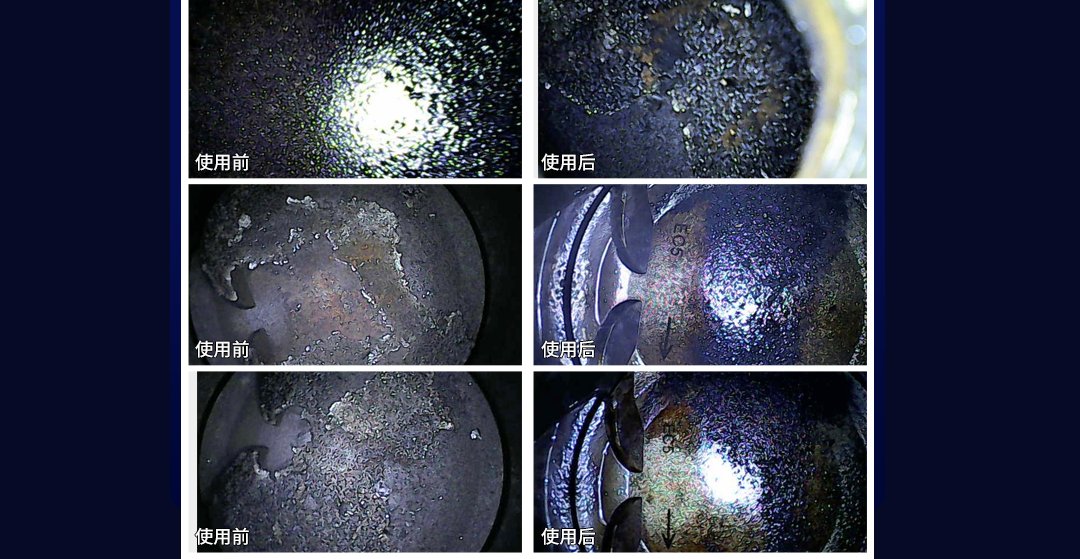
Can't find your question among the 129?
Call customer service directly — report your car and driving conditions, and the answer will be based on real usage; product specs and test evidence are all self-checkable.
Call 138-1080-3061 Product Center